A creator tool that lets health providers — clinics, hospitals, individual doctors — pick AI agents and assemble complete training programs for their trainees and staff.
Most agentic AI tooling is built for engineers. Muhu Studio is built for the opposite — a doctor or clinic admin who wants to assemble a training program for a trainee or specialist team without writing a line of code.
Three months, one designer, end-to-end: the platform, the editor, the agents, the onboarding, the brand.
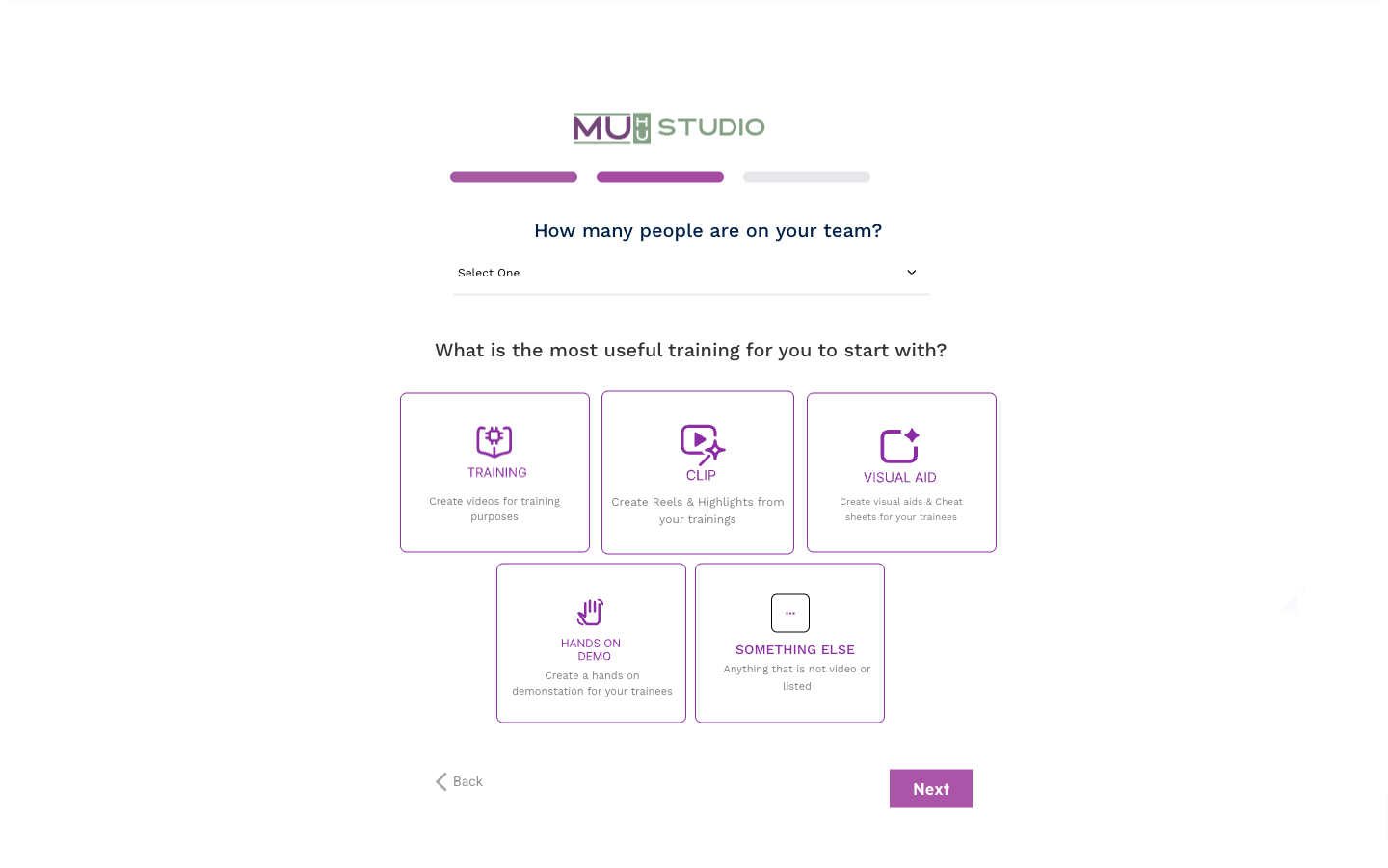
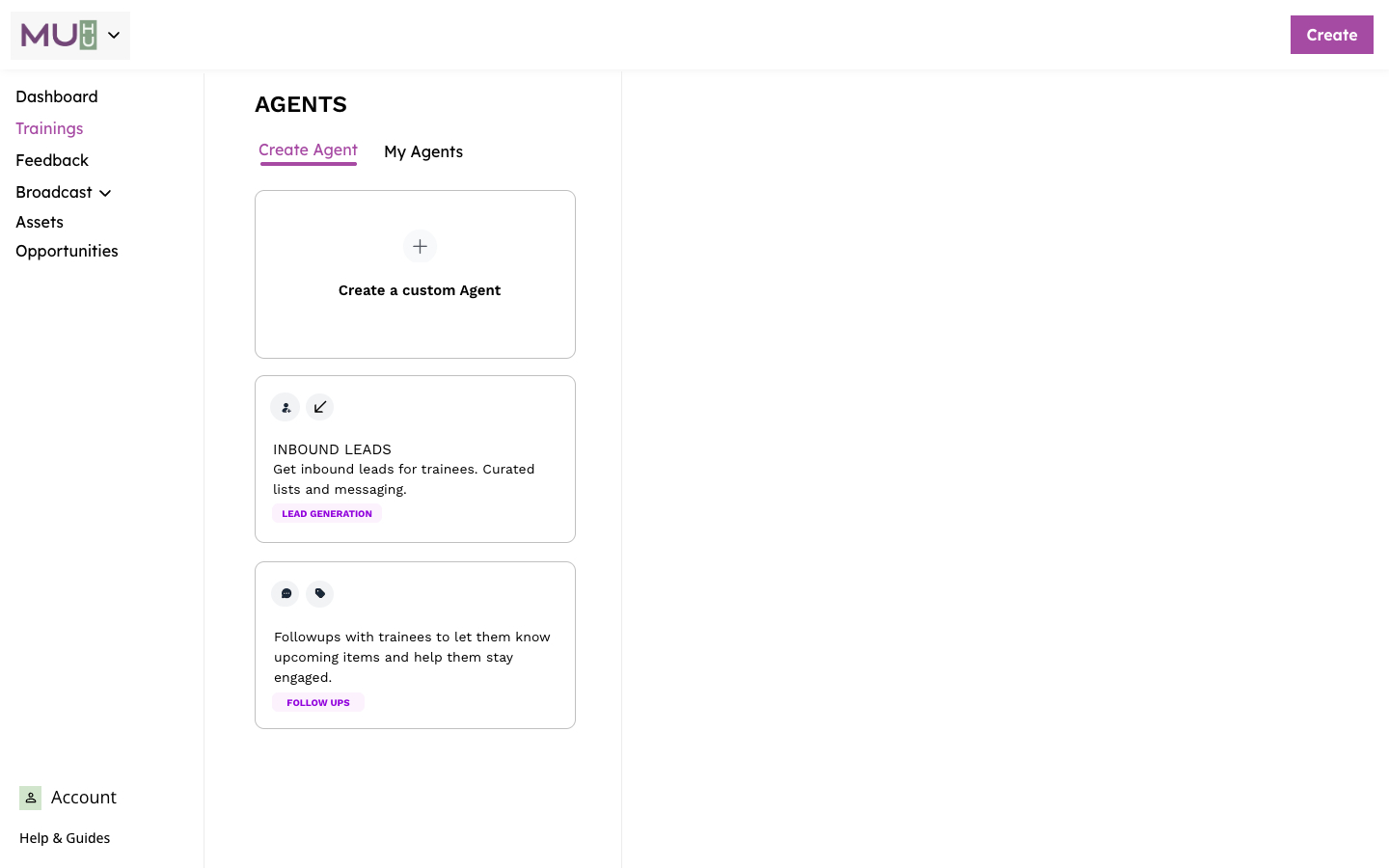
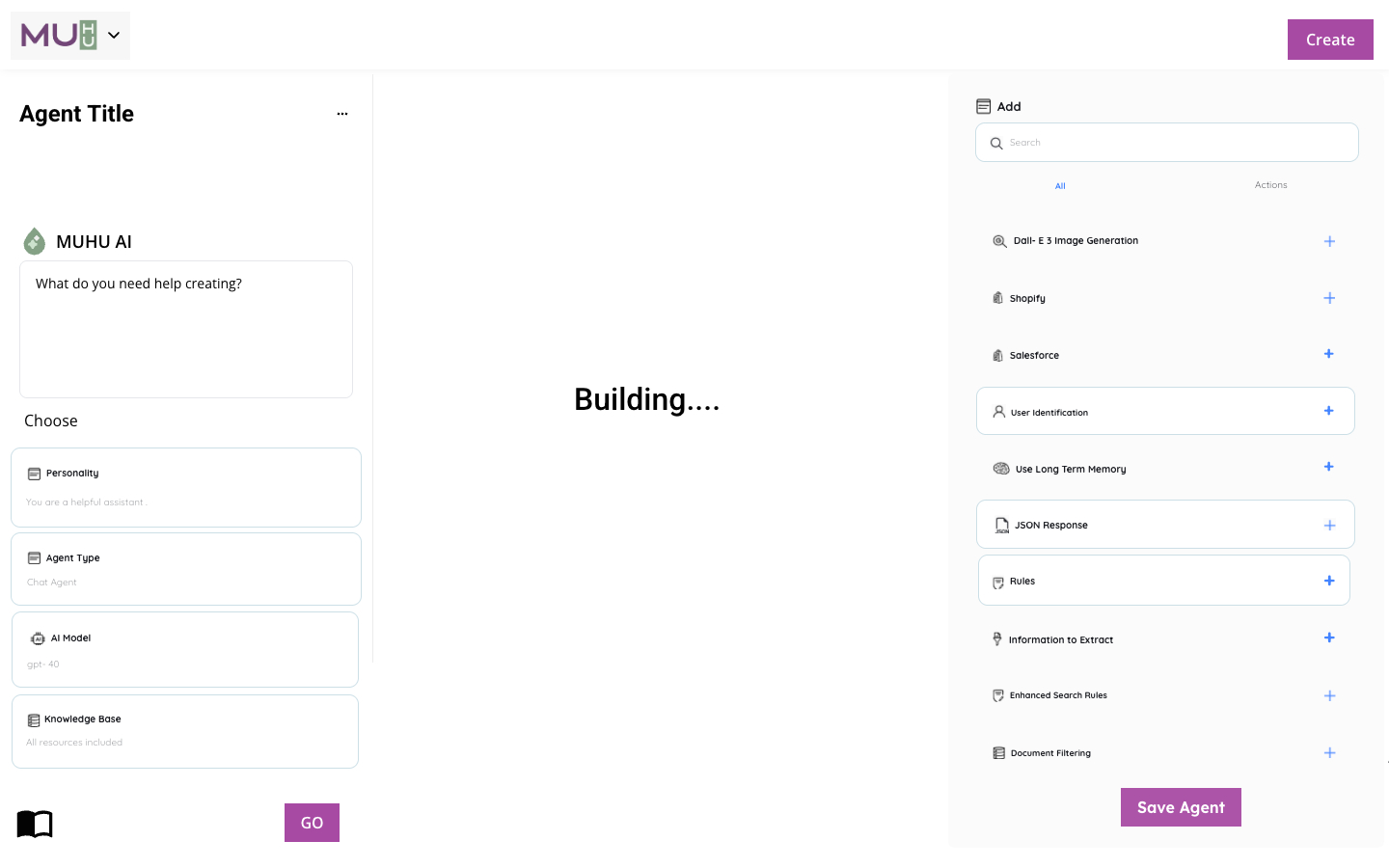
A library of pre-built agents is the default path; building a custom one is available, but never the first thing a user sees.
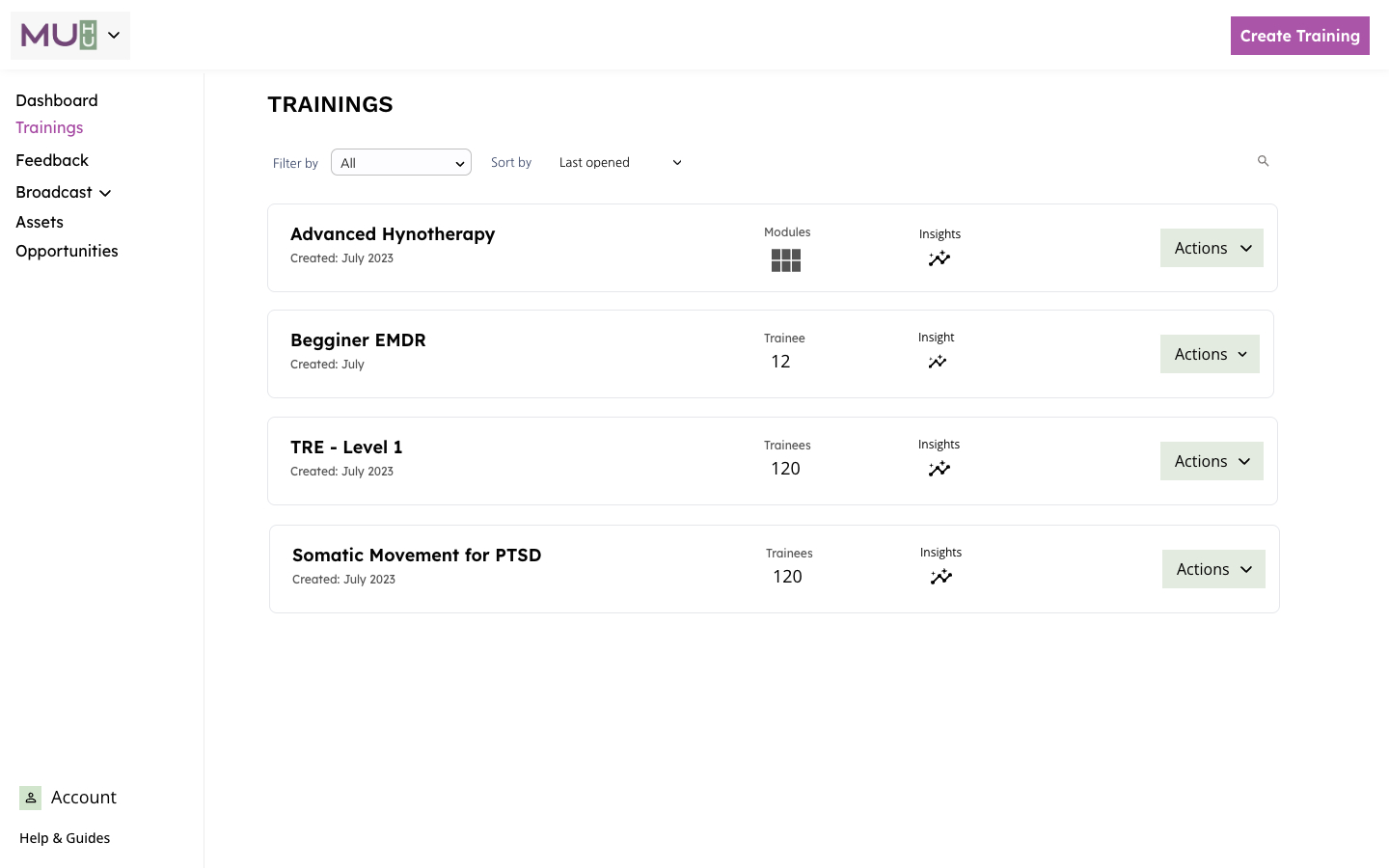
Everything in the product orbits a training — its scenes, elements, share settings, insights — so creators always know where they are in the artifact.
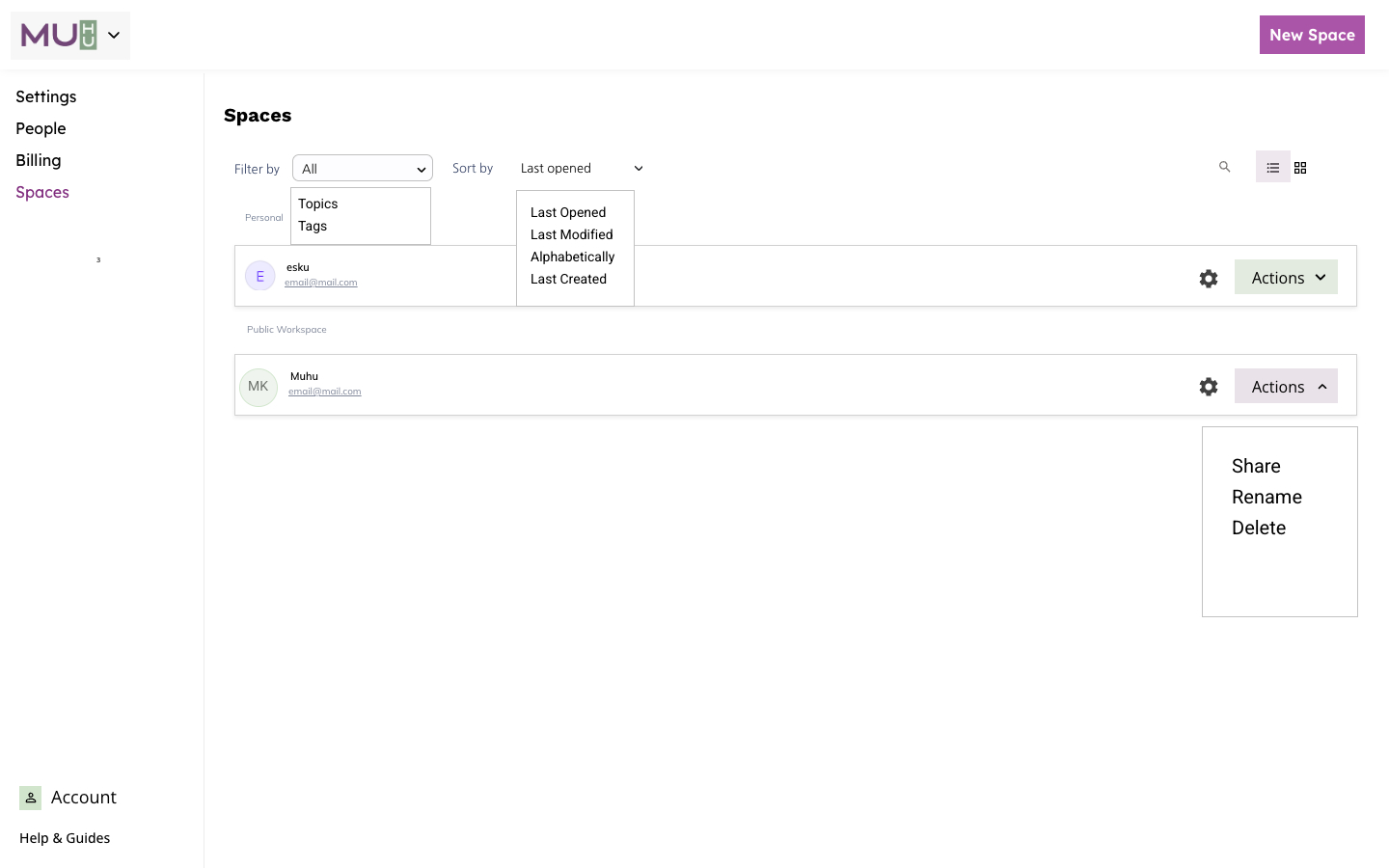
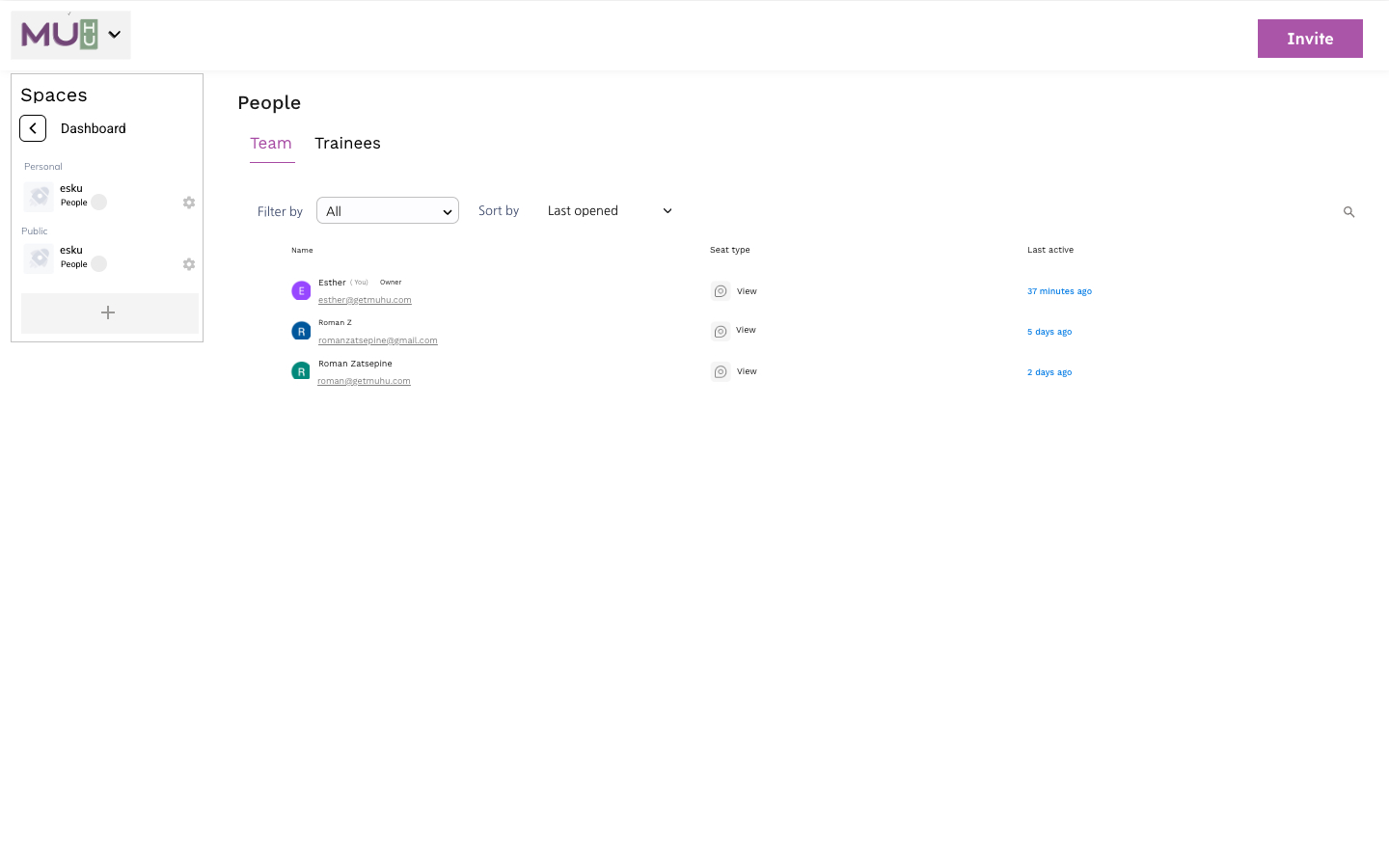
Two distinct surfaces — creator (training editor) and admin (people, spaces, brand kit, settings) — sharing one design system.
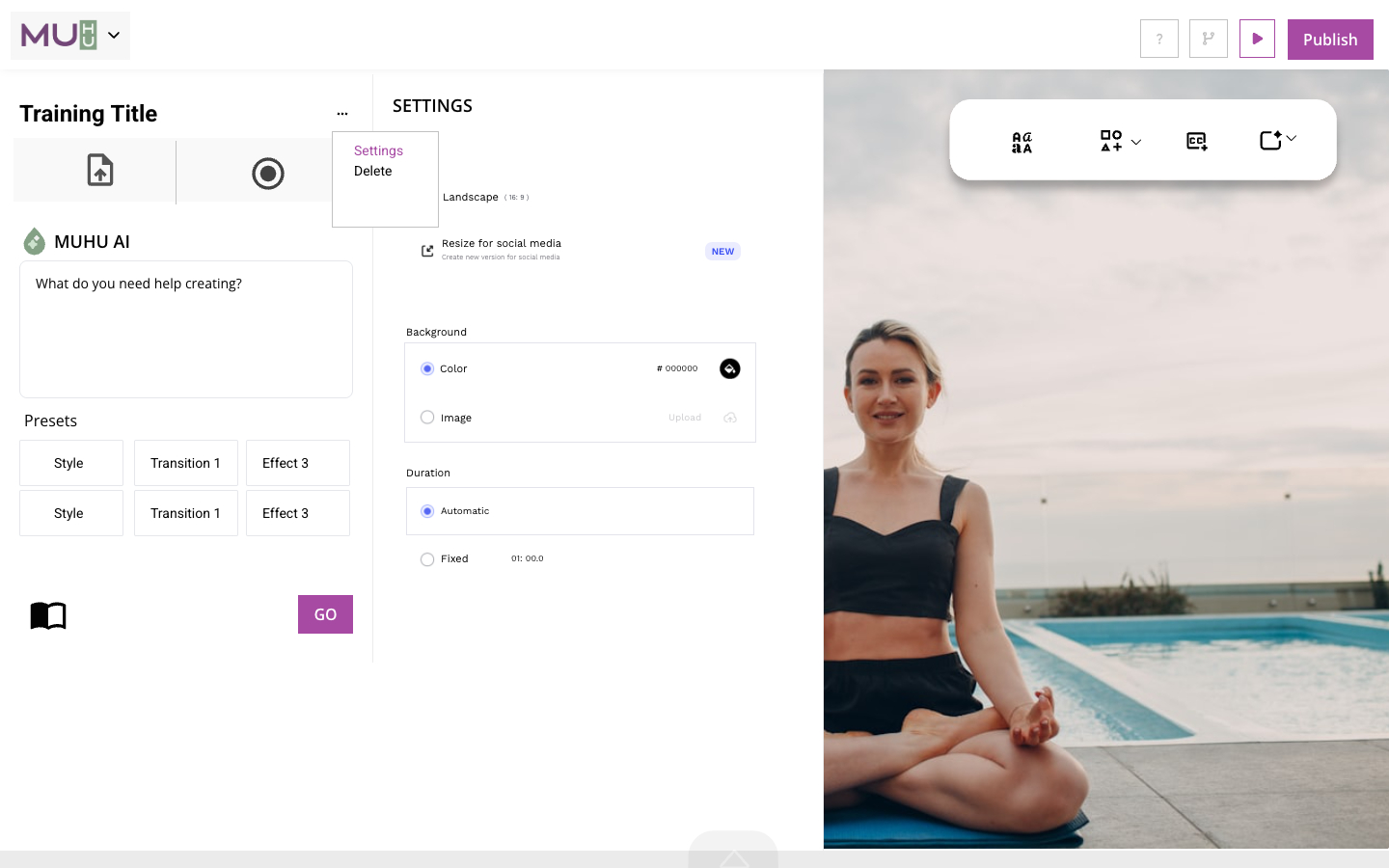
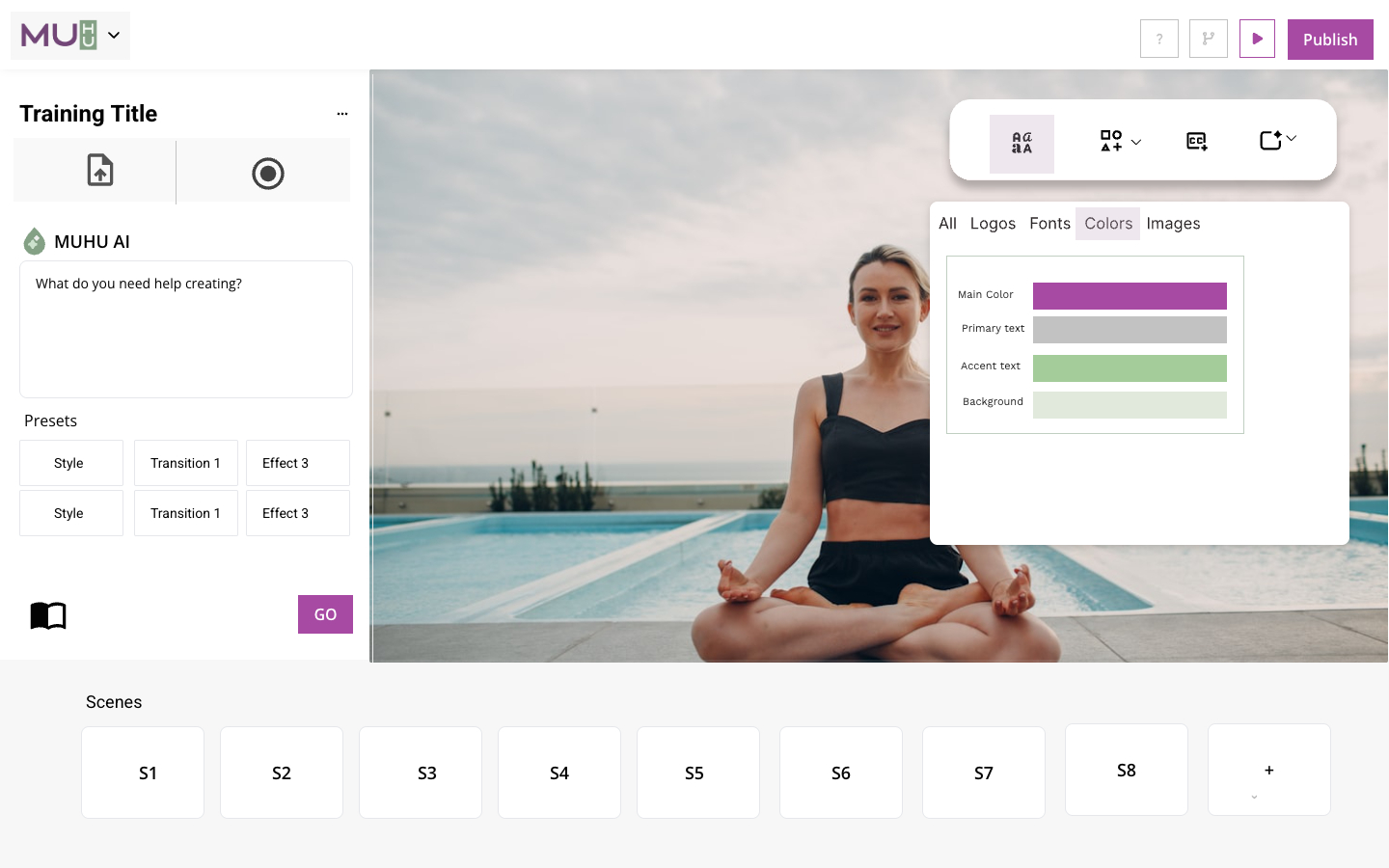
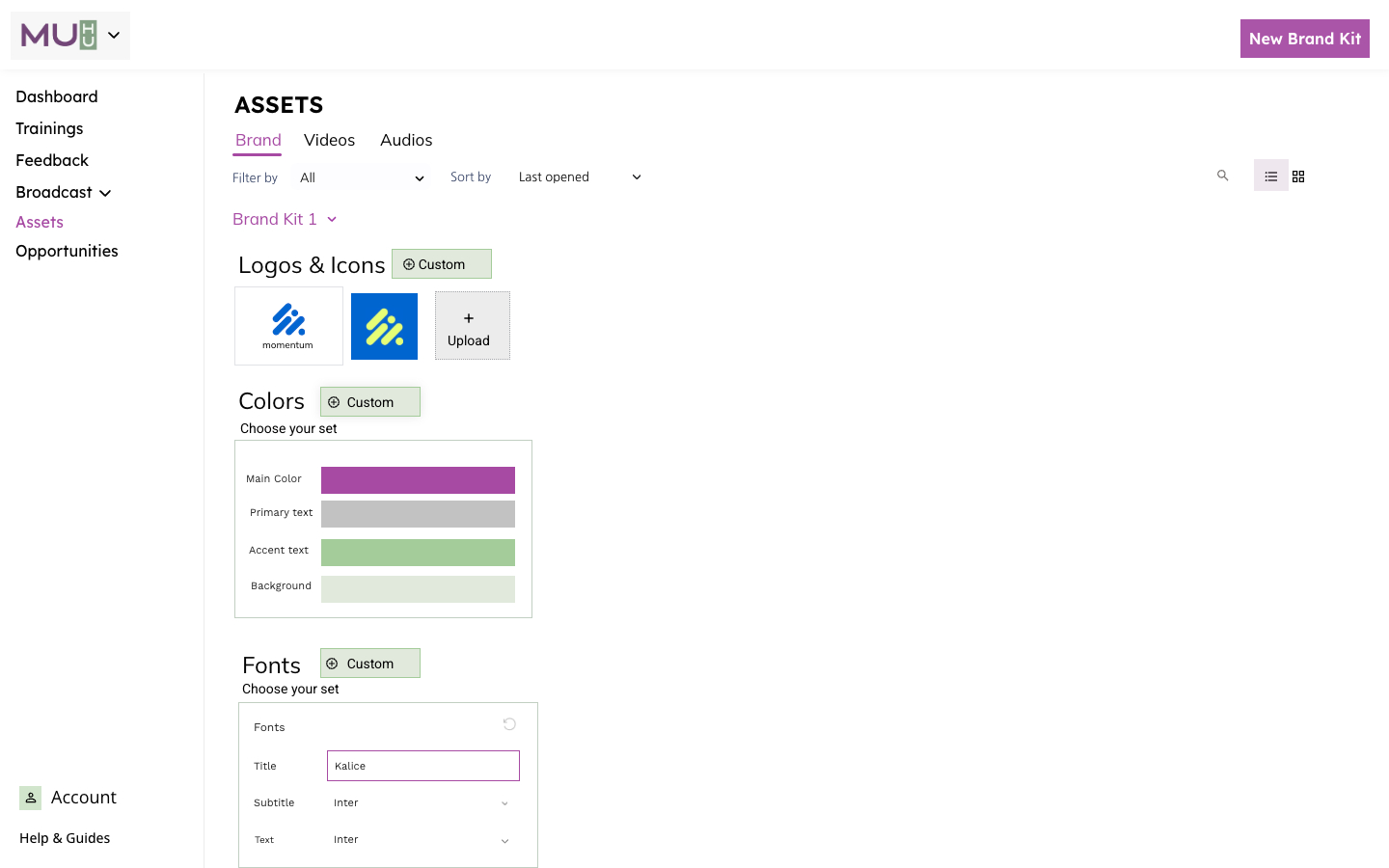
Every clinic has its own visual identity. The brand kit lets admins drop in colors, logos, and assets — and trainings inherit them automatically.
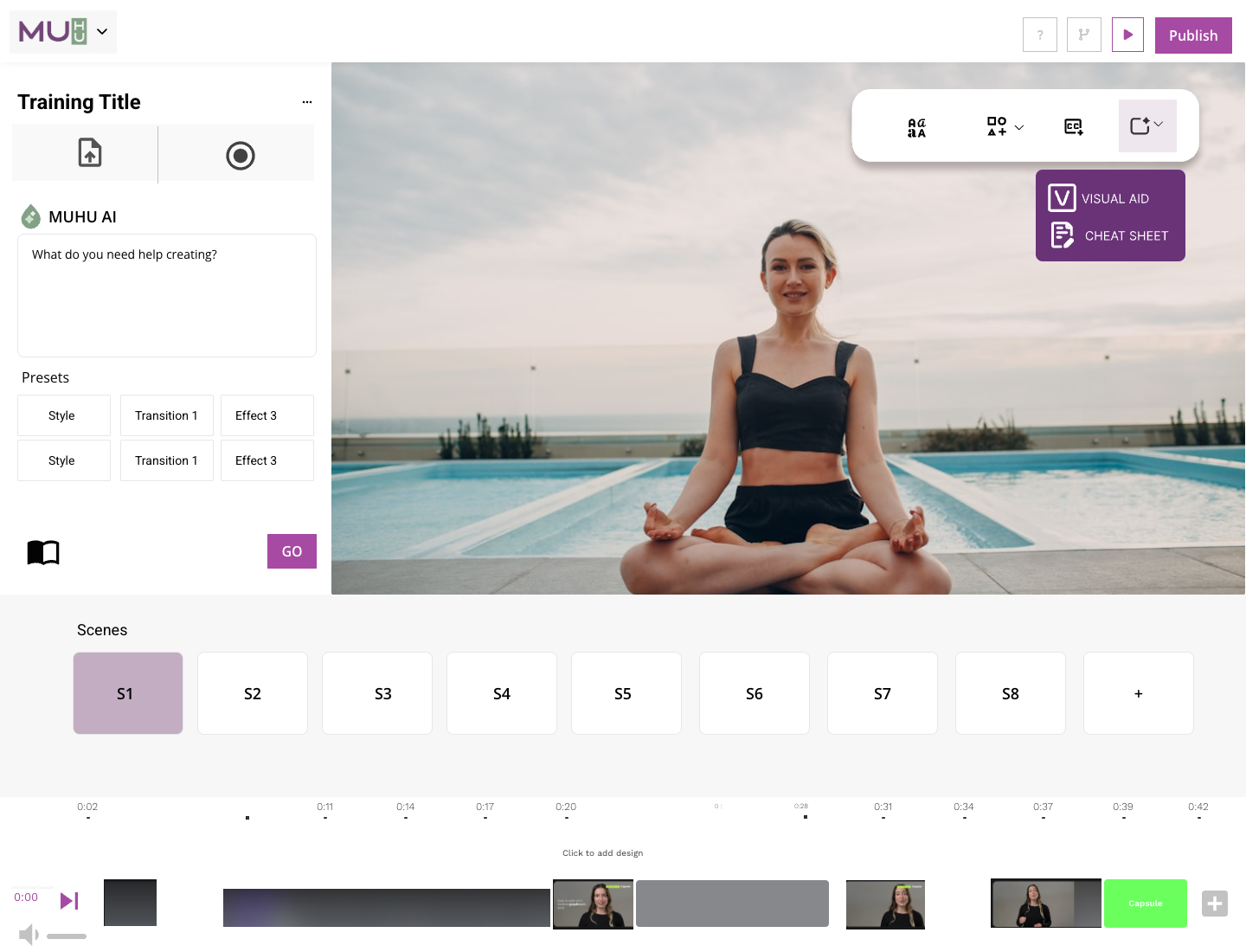
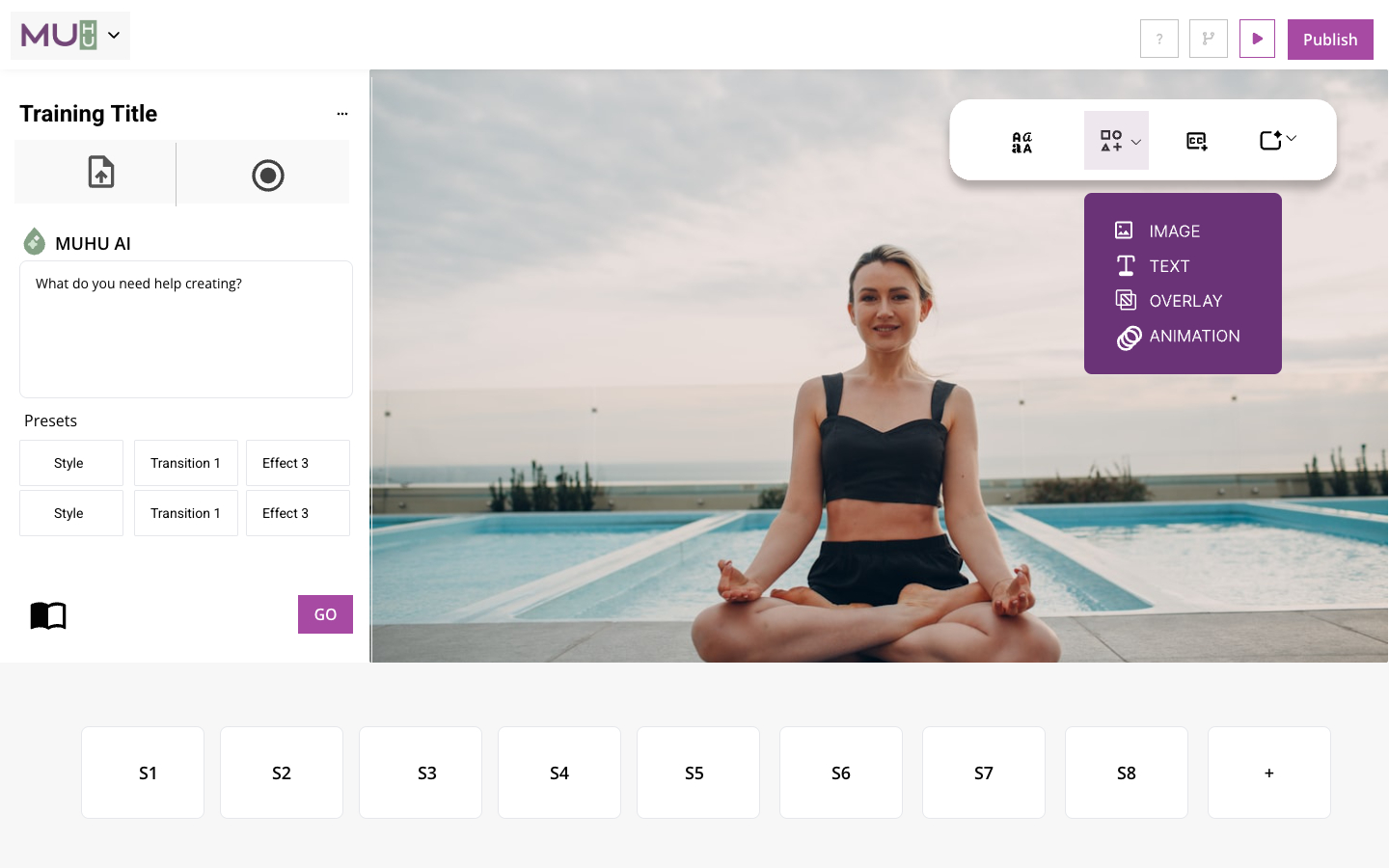
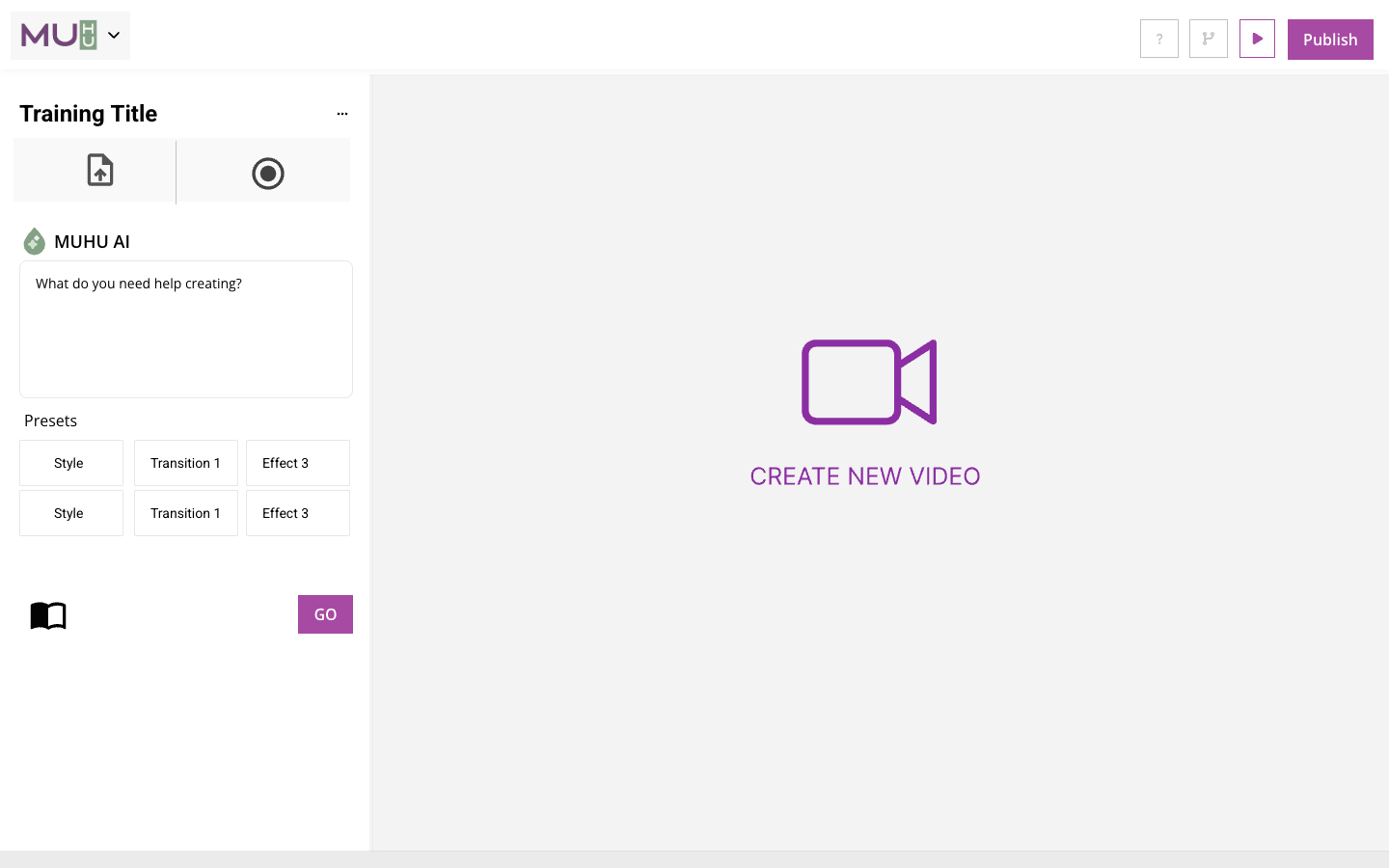
The training editor is the heart of the product. Scenes on the left, elements panel on the right, preview in the middle — patterned on tools clinical content creators already know.
Settings, sharing, brand kit, presets, and a prompt library are all one click away.
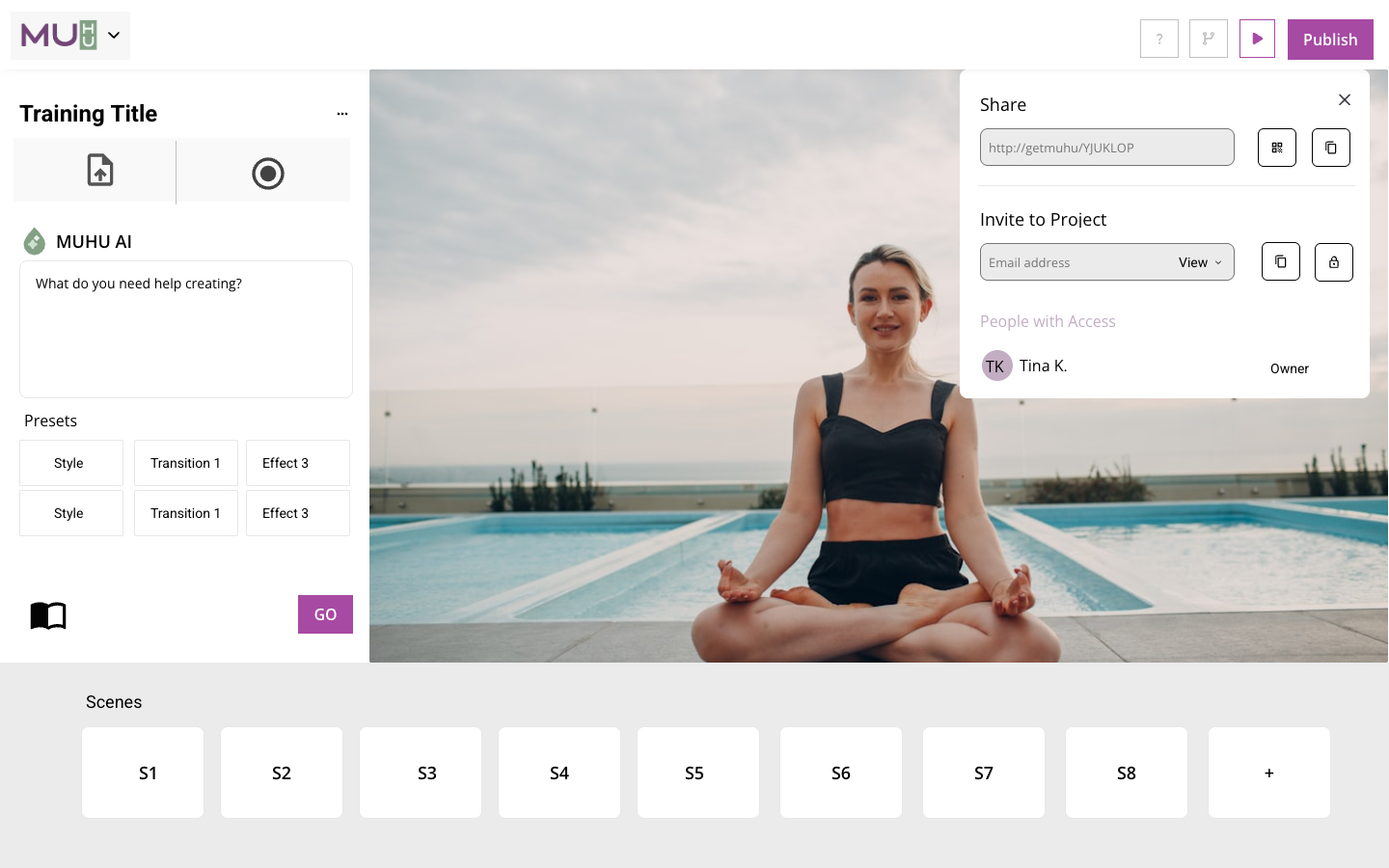
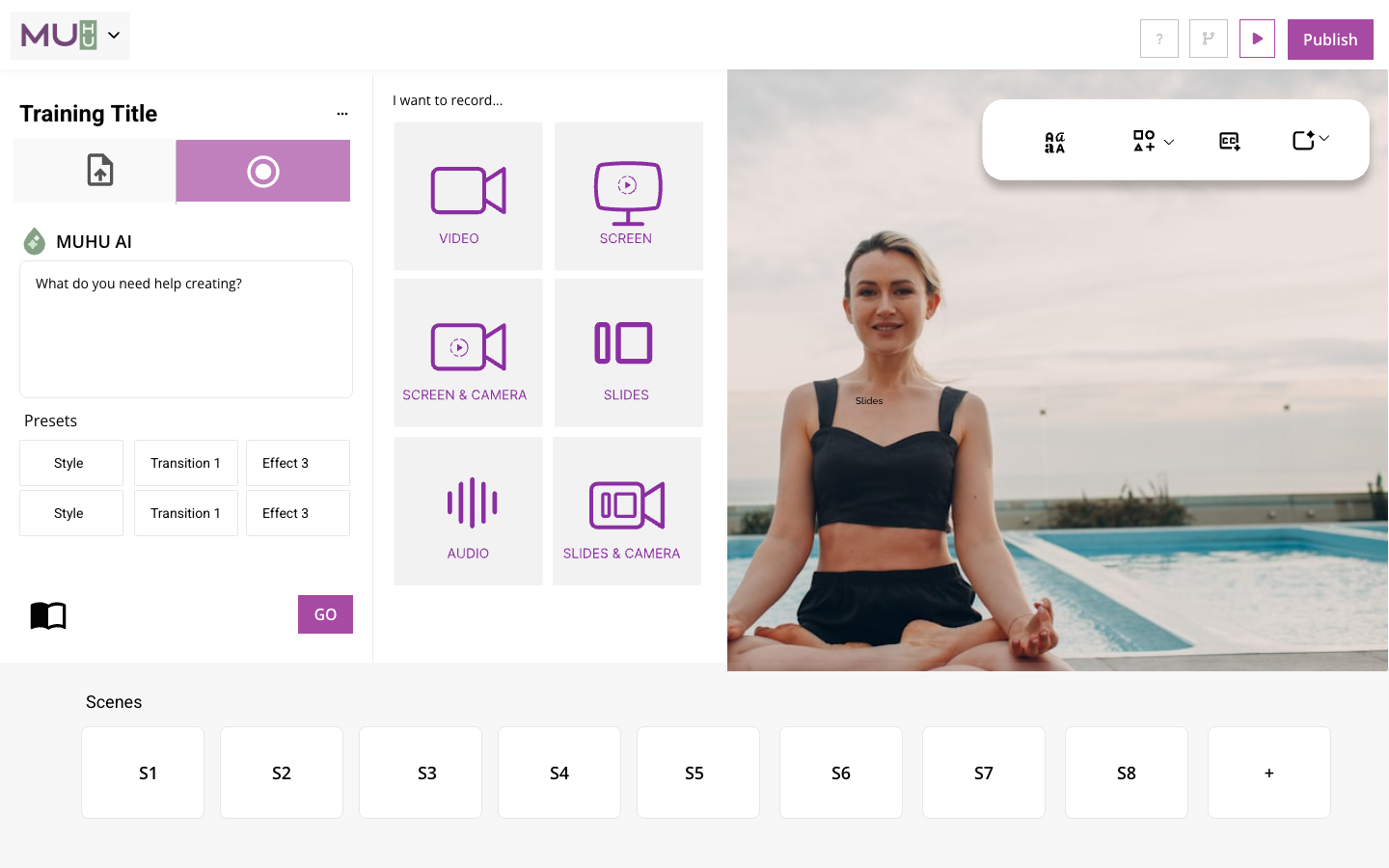
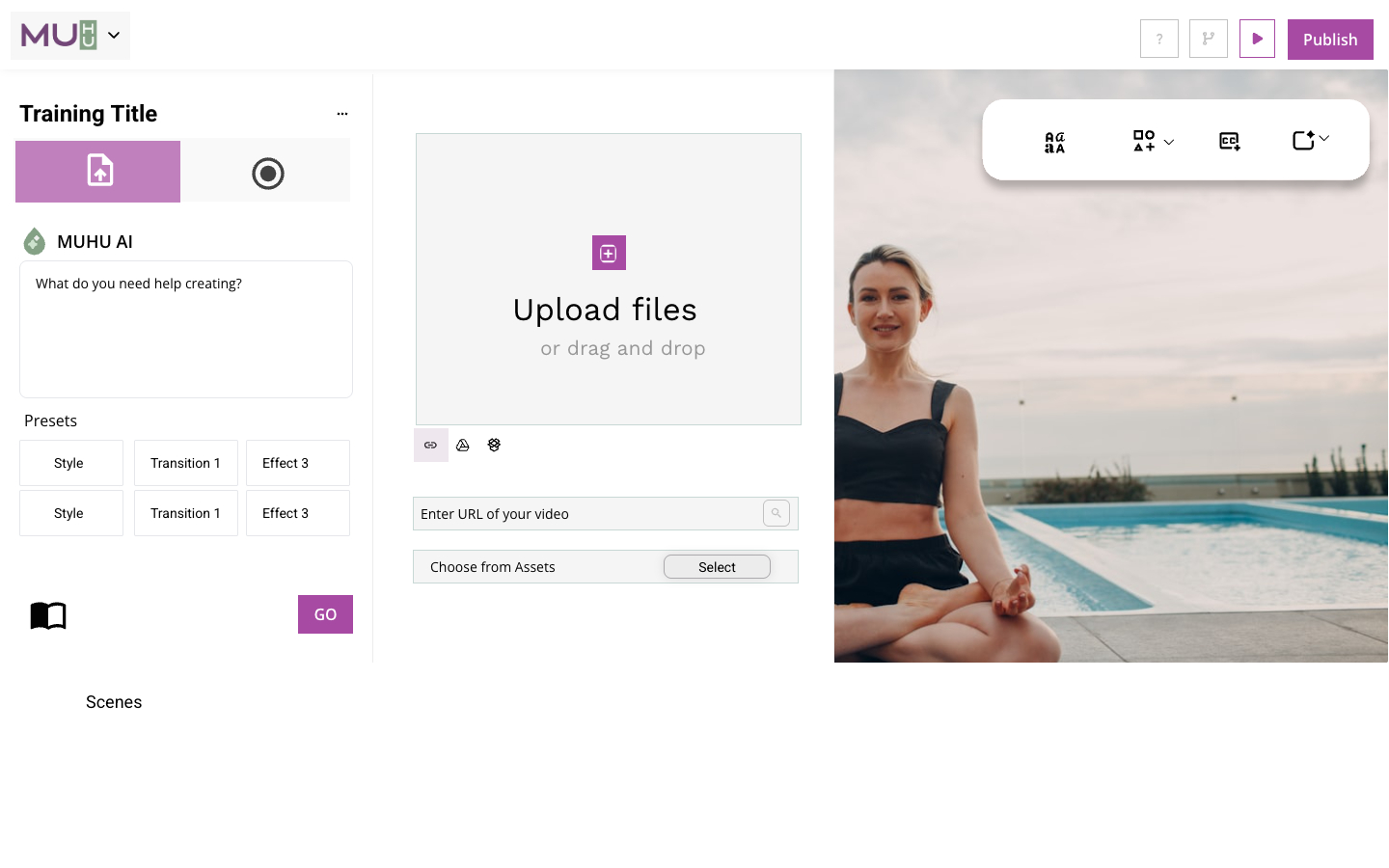
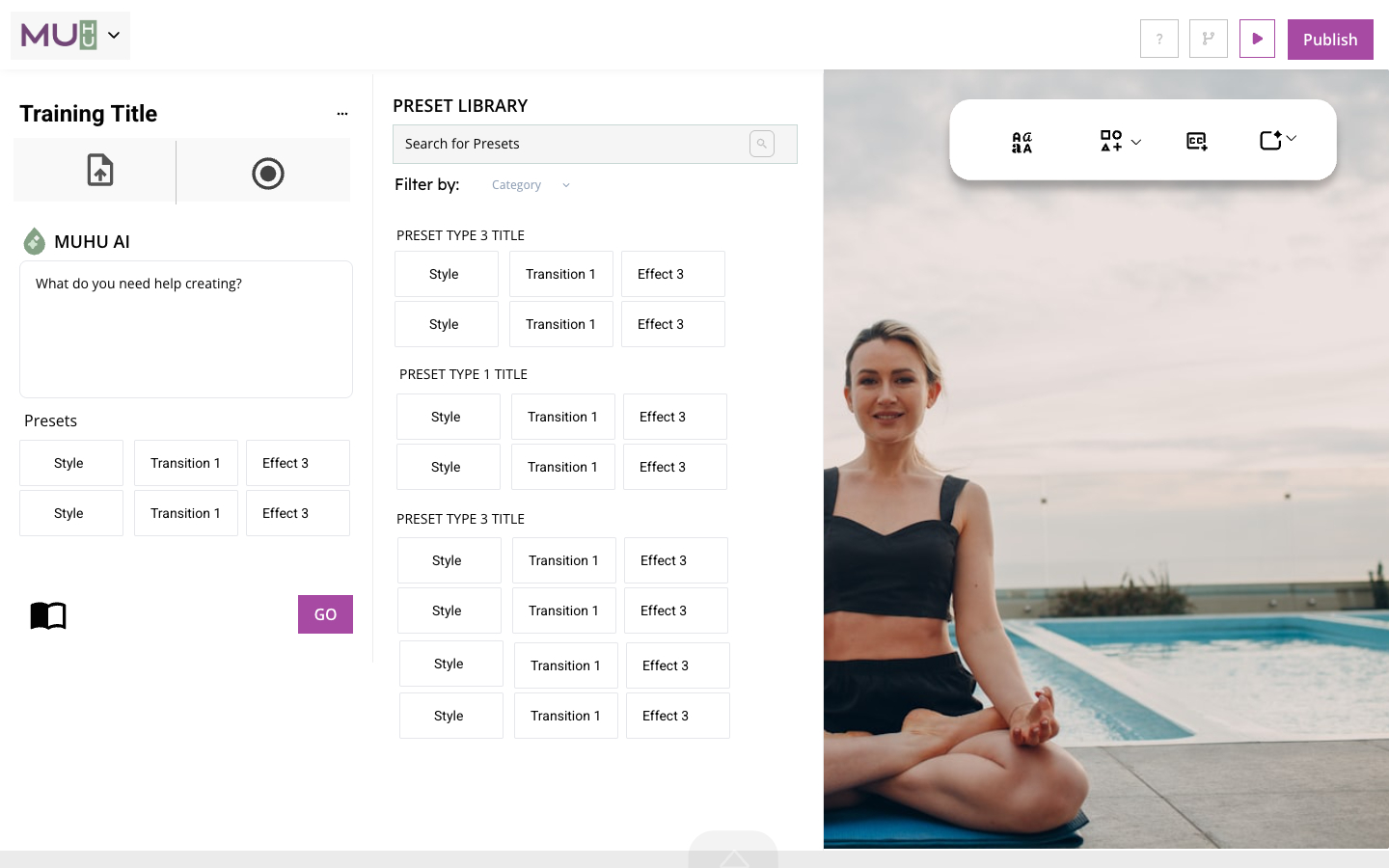
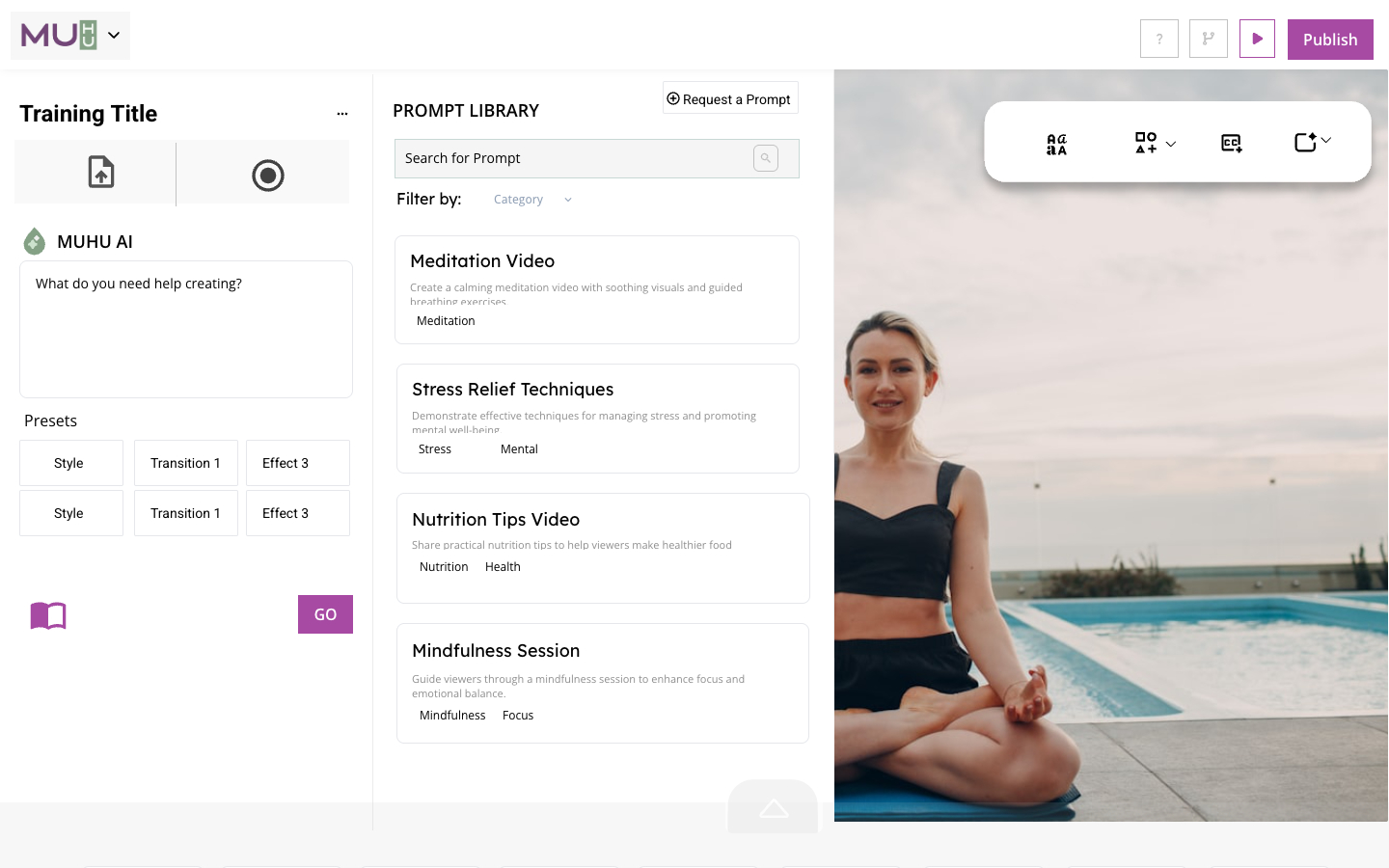
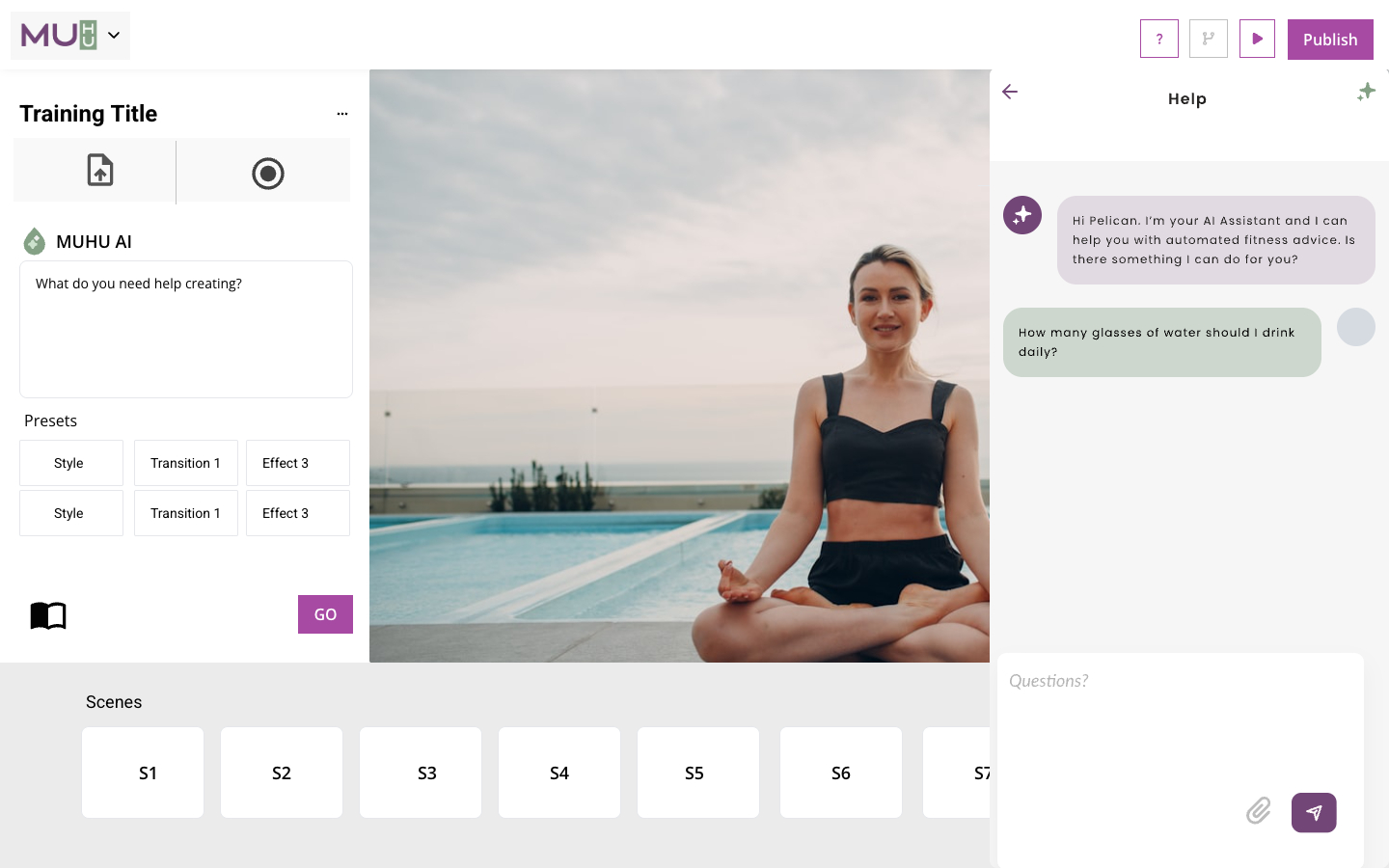
Agents are presented as roles a creator can cast — each with its own brief, voice, and constraints. Custom agents are available but secondary.
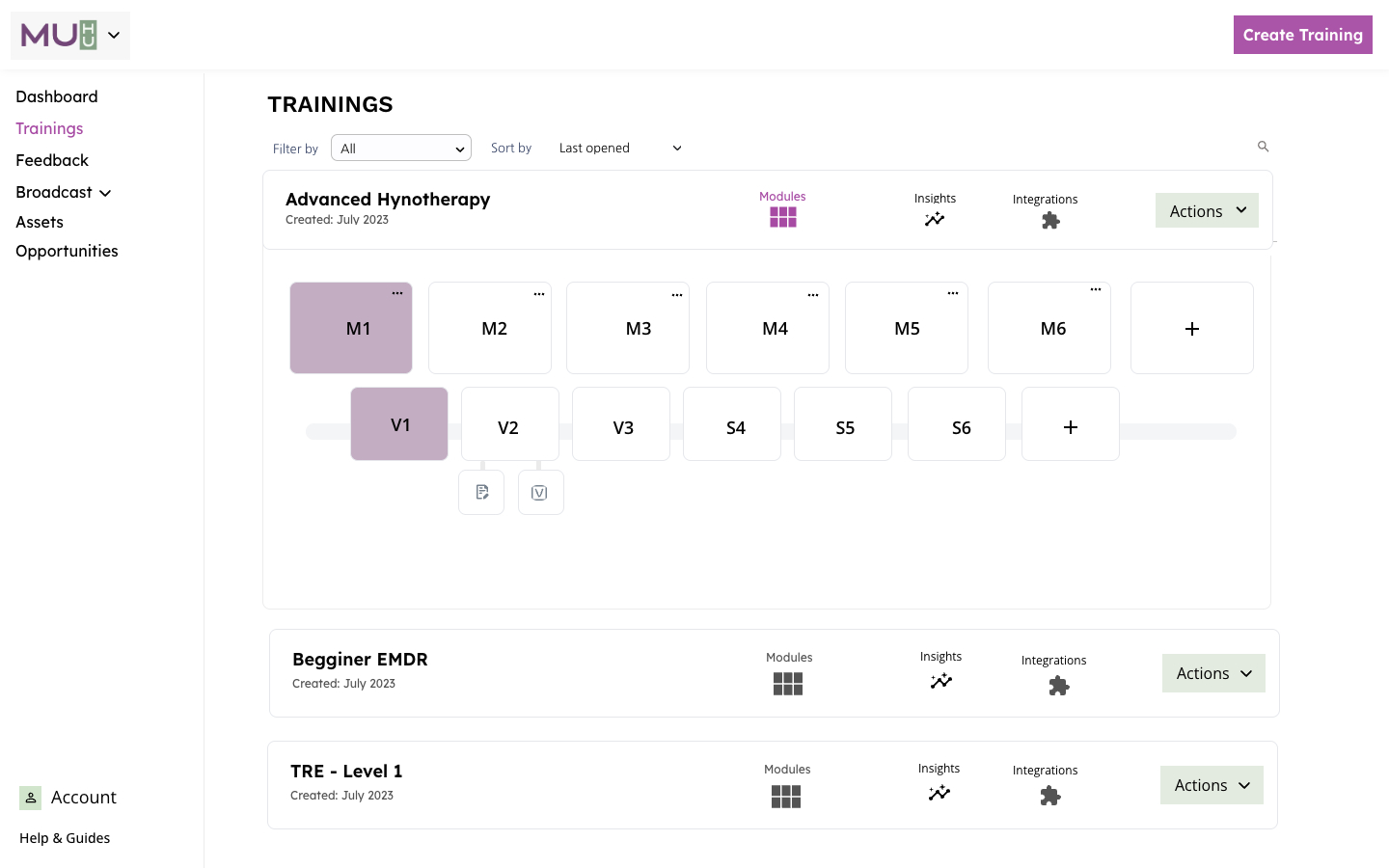
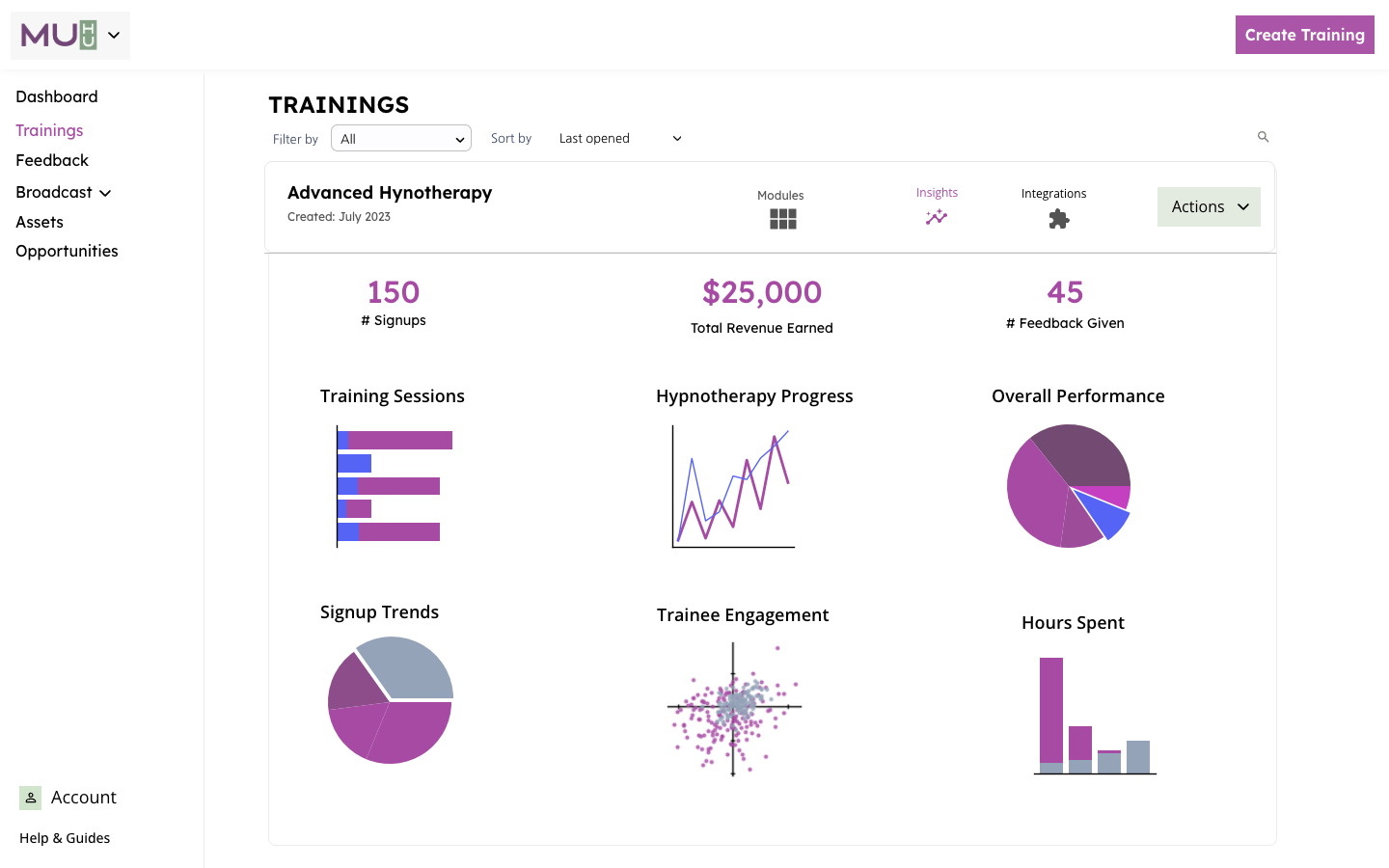
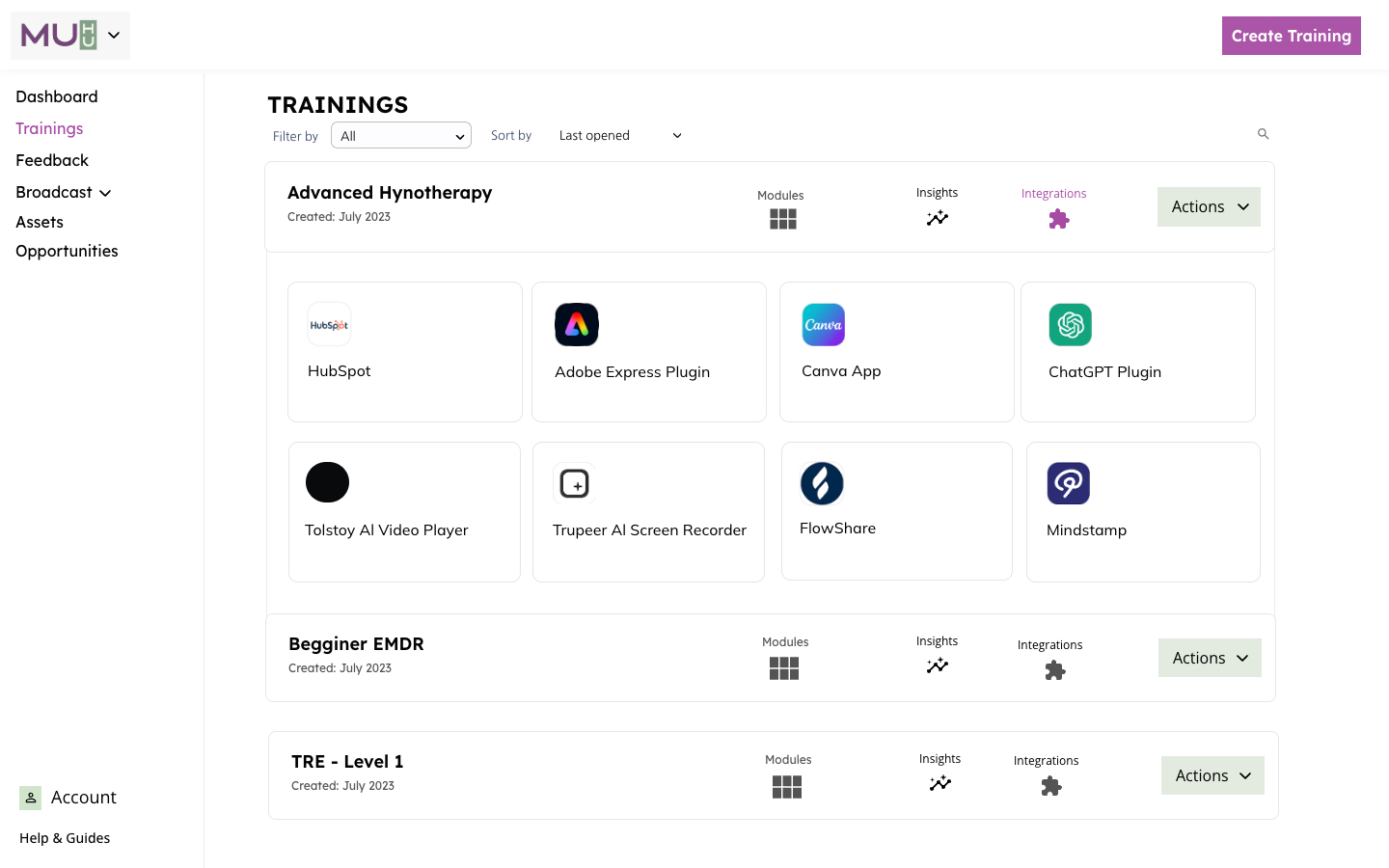
Once a training is live, creators move into the management surface — modules, insights, integrations, and a first-training/first-user state designed to feel like a small win, not an empty room.
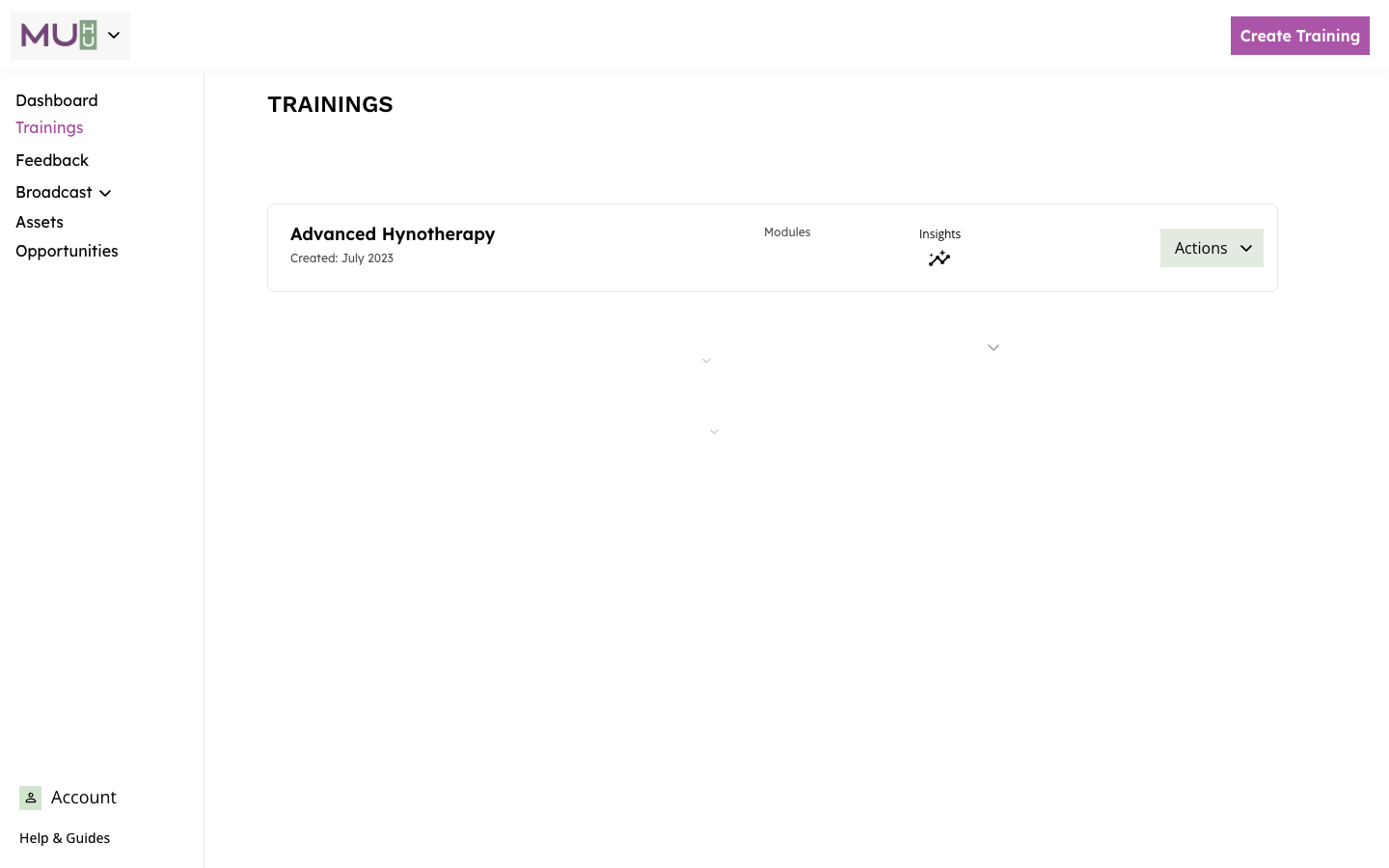
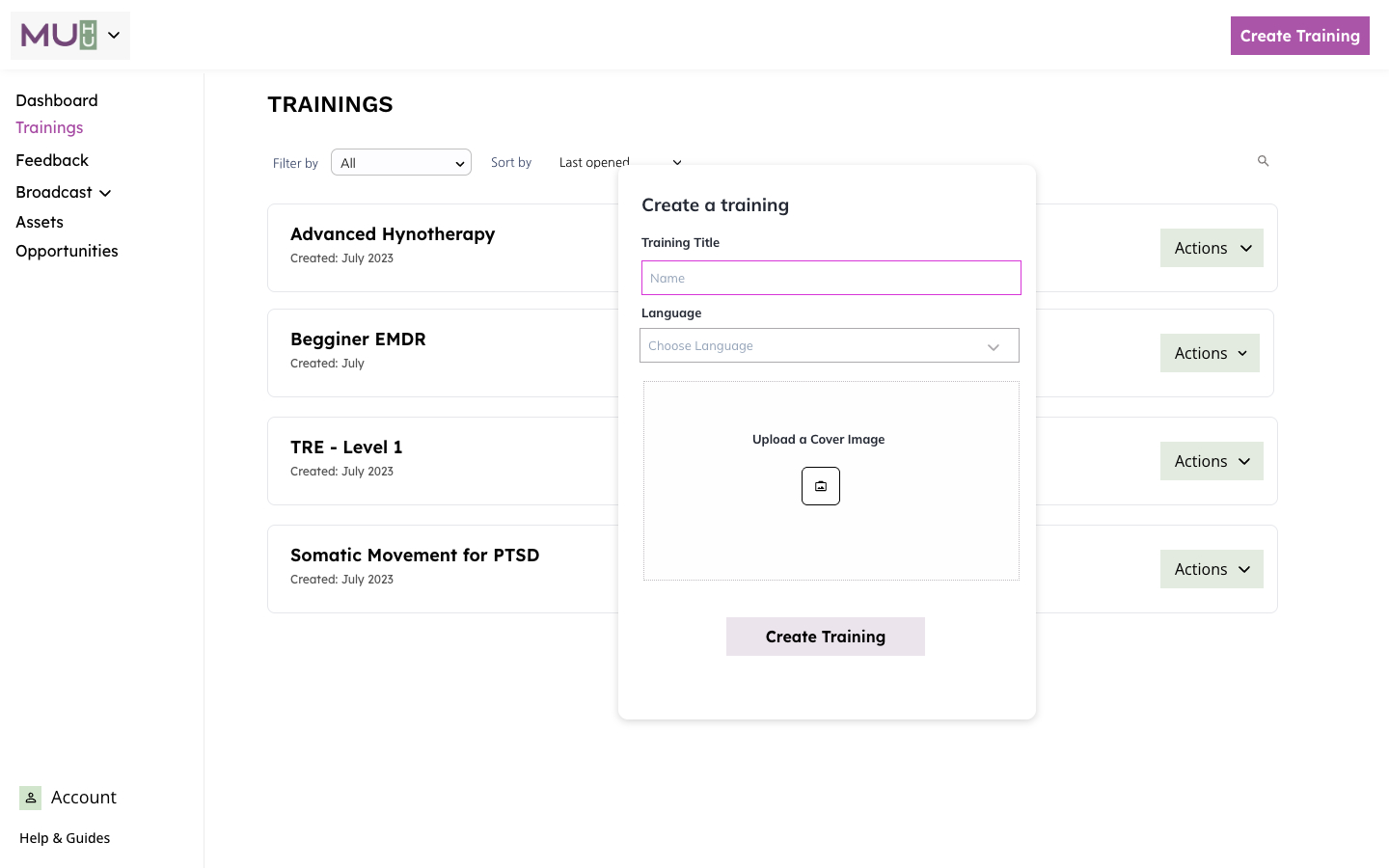
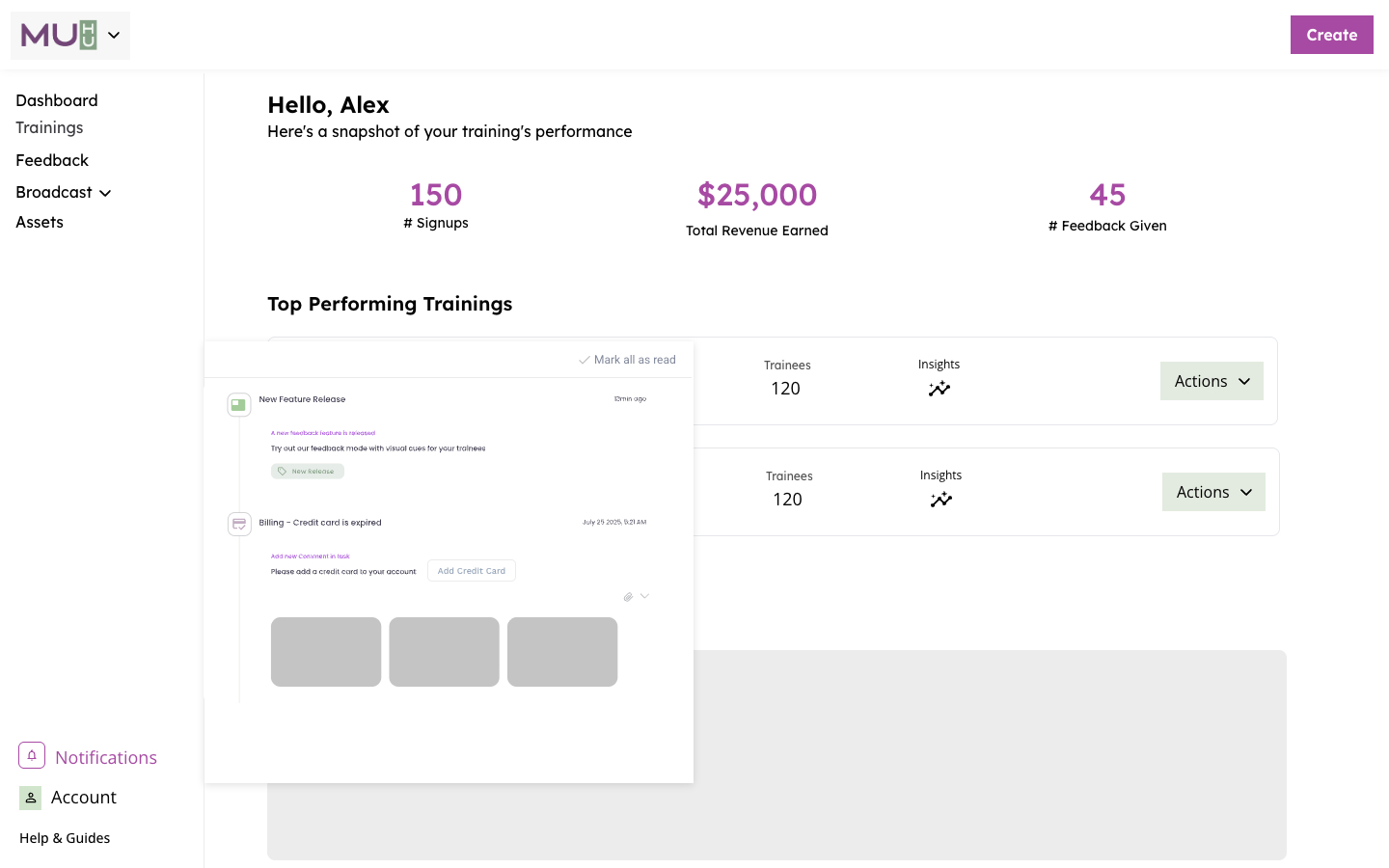
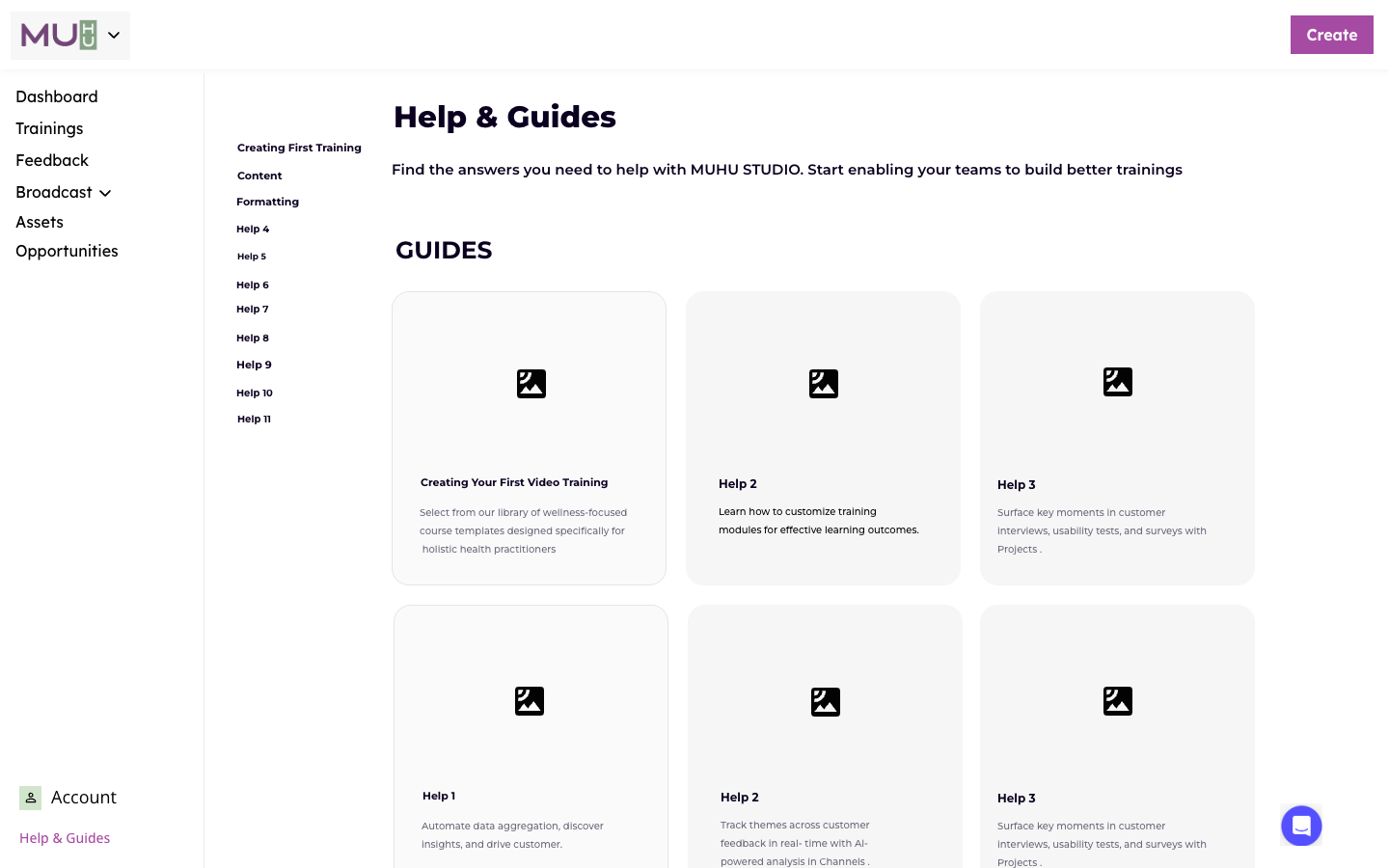
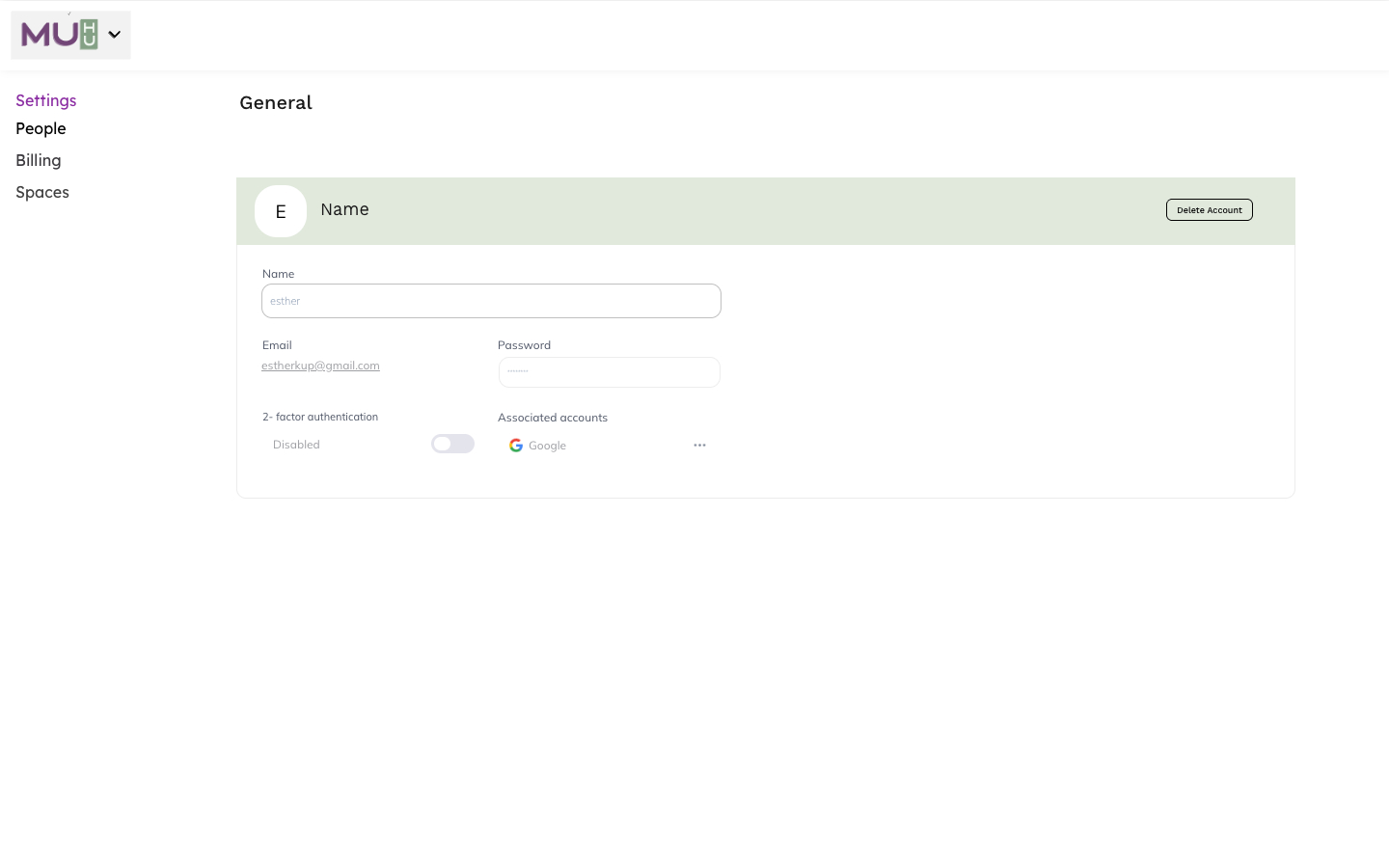
The admin side handles spaces, people, brand kit, notifications, help, and generic settings — designed to be deeply unexciting in a way that admins, in my experience, actually want.
Providers needed a public-facing surface for their programs. The site creation flow keeps the same vocabulary as the rest of the product — templates, pages, elements, share.
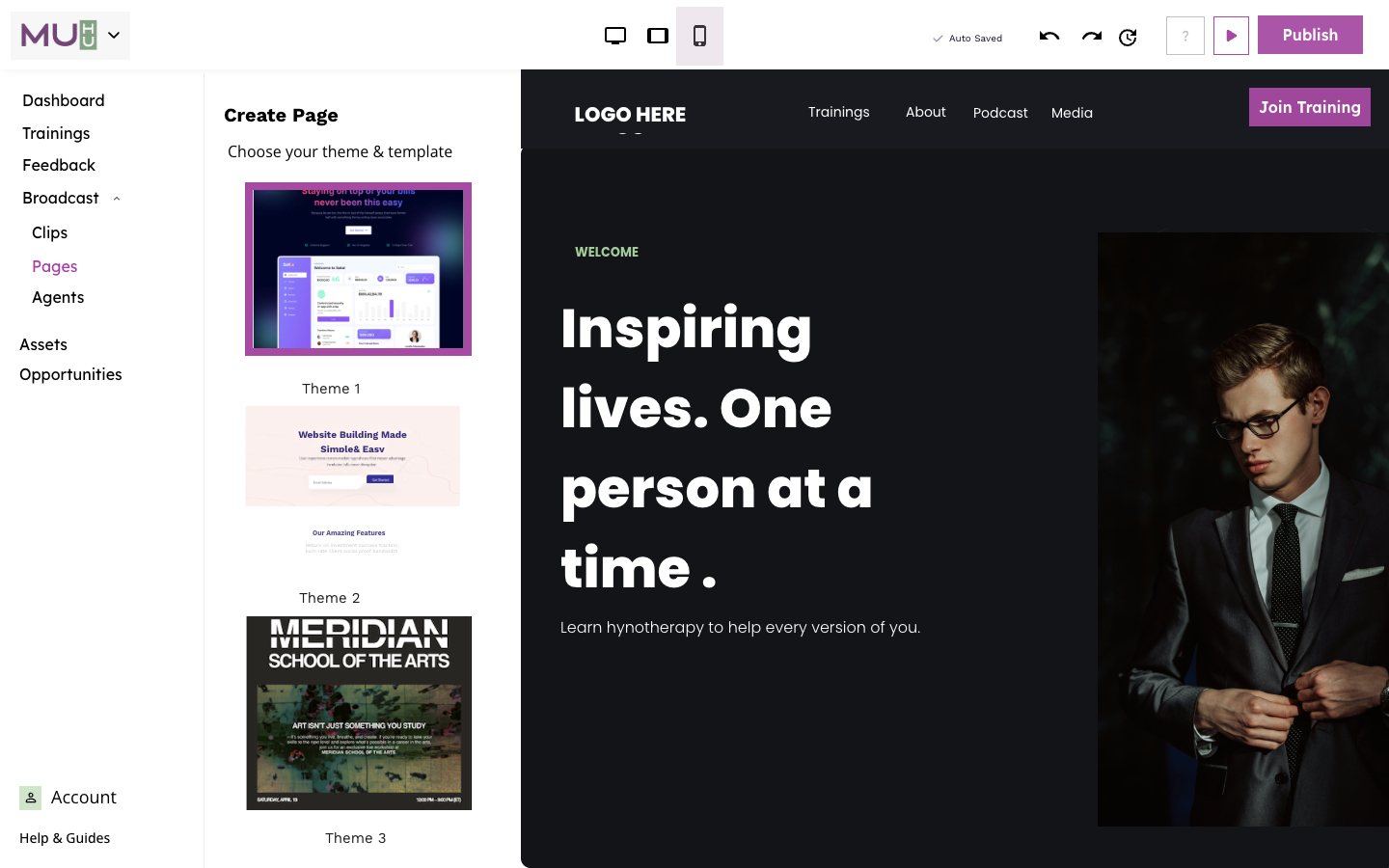
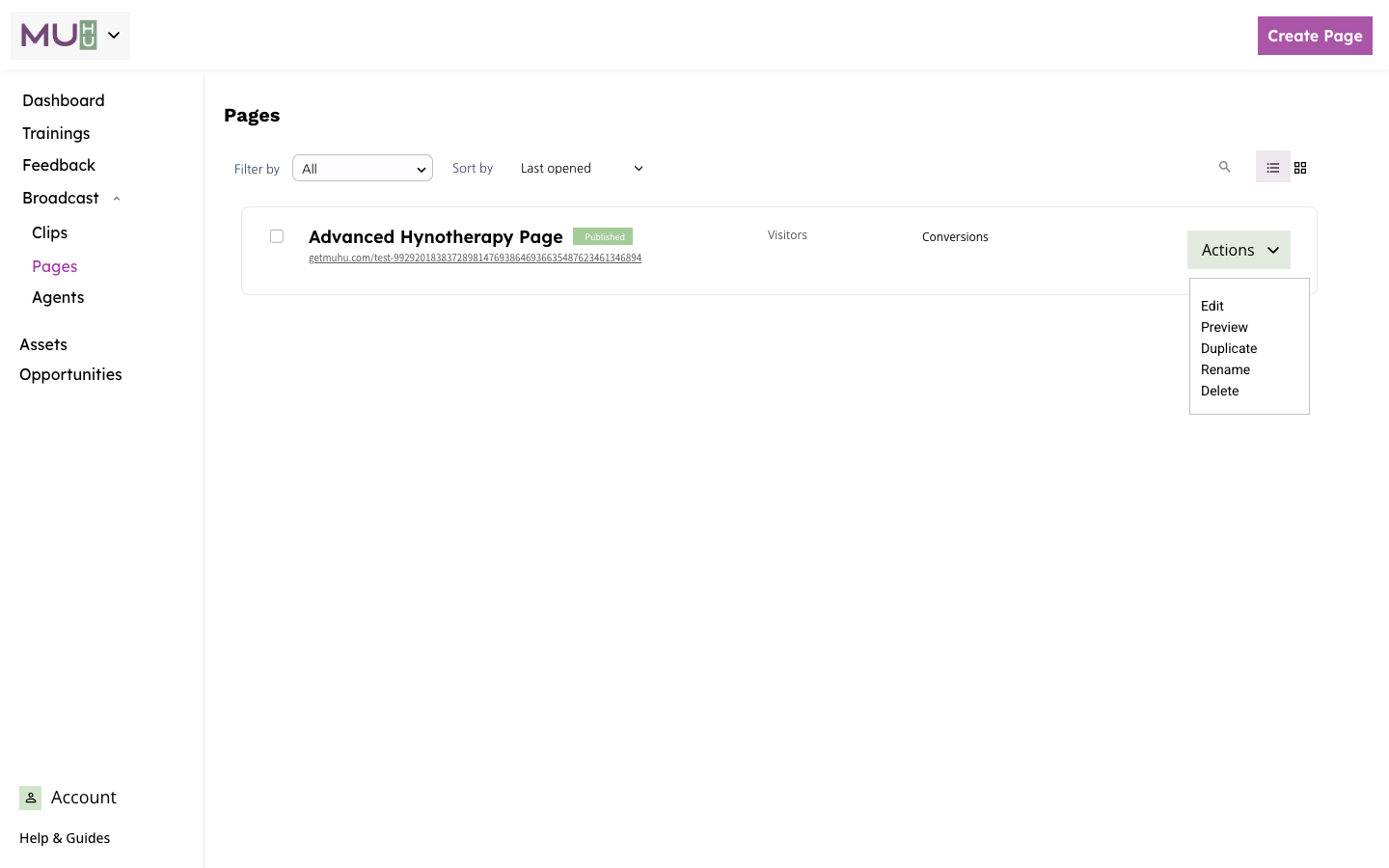
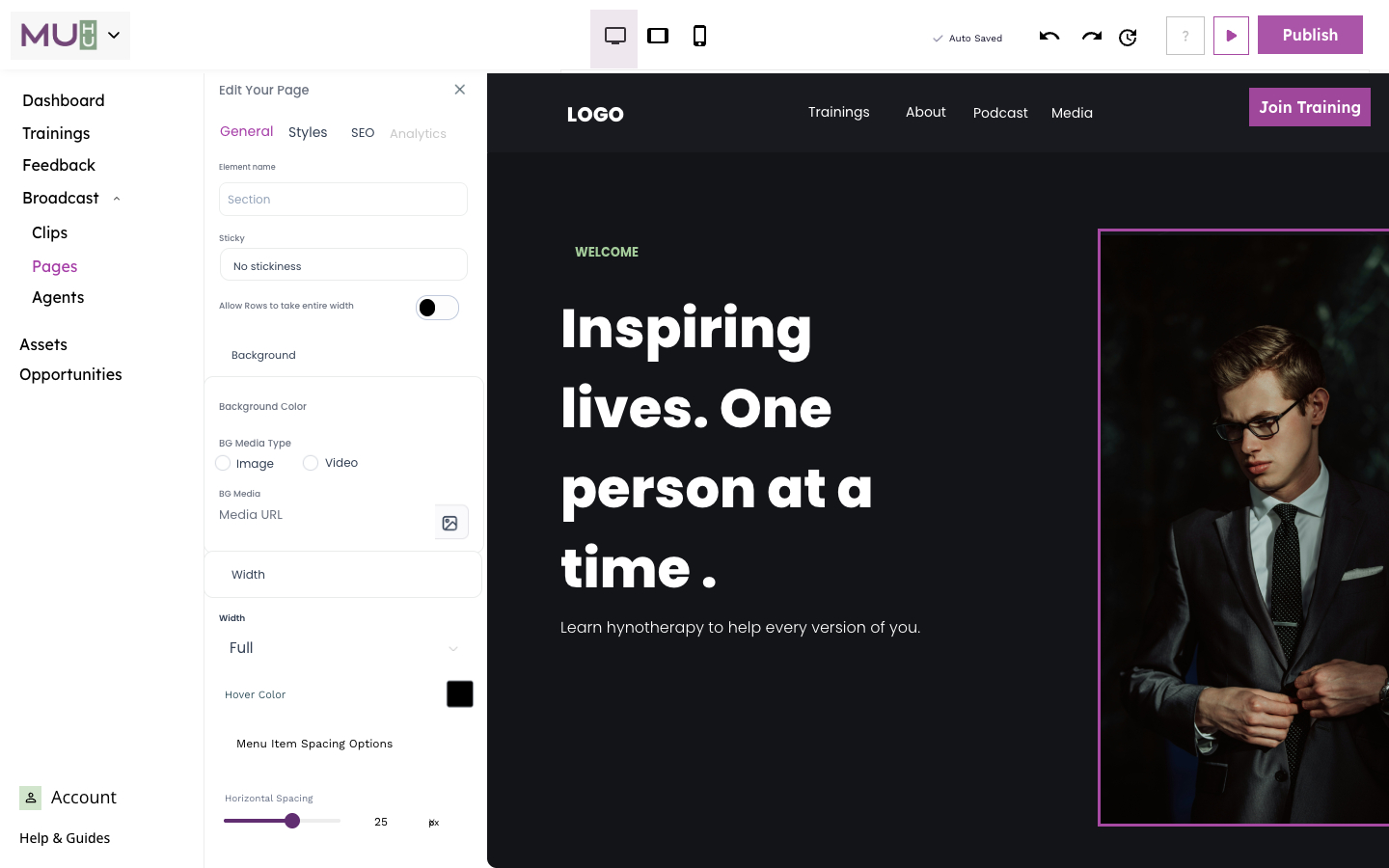
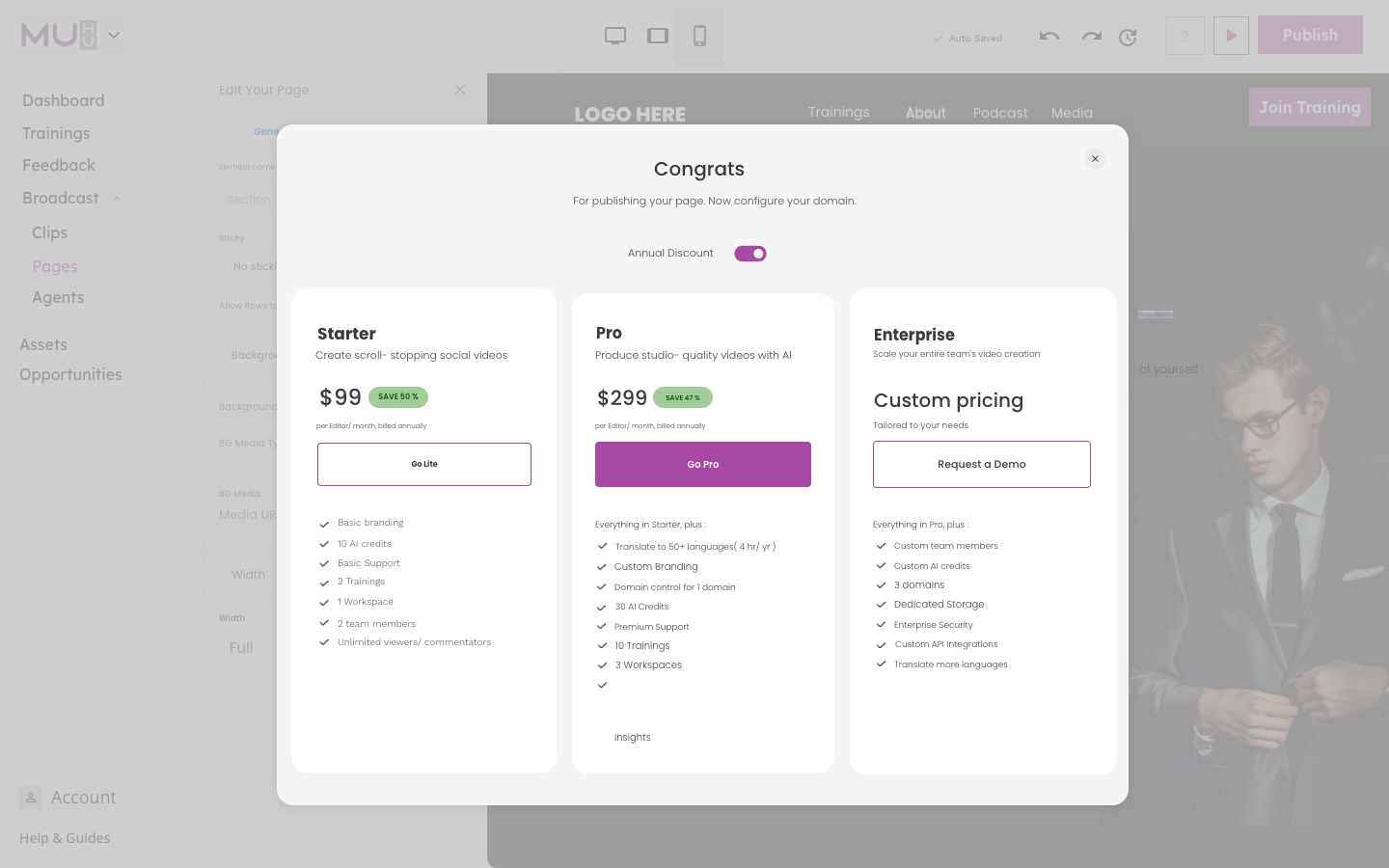
The hardest part wasn't the AI side — it was reining in the platform until it felt like one tool, not five. Every screen had to belong to the same product, even though the underlying domain spans editor, admin, agents, and a small site builder.
If I had another three months, I'd push harder on the seam between trainings and agents — they want to be one continuous thing, and right now they're still two.