A unified design system and a series of structured audits for Aruba's product line — used by network engineers to configure switches, monitor traffic, and defend networks.
Wireless networks are how the world connects, and Aruba is one of the top players in that space. But the interfaces network engineers used to configure switches and access points hadn't kept pace.
The brief was to figure out why — and to design a system that worked across the product line, all the way through to a brand-new cybersecurity tool.
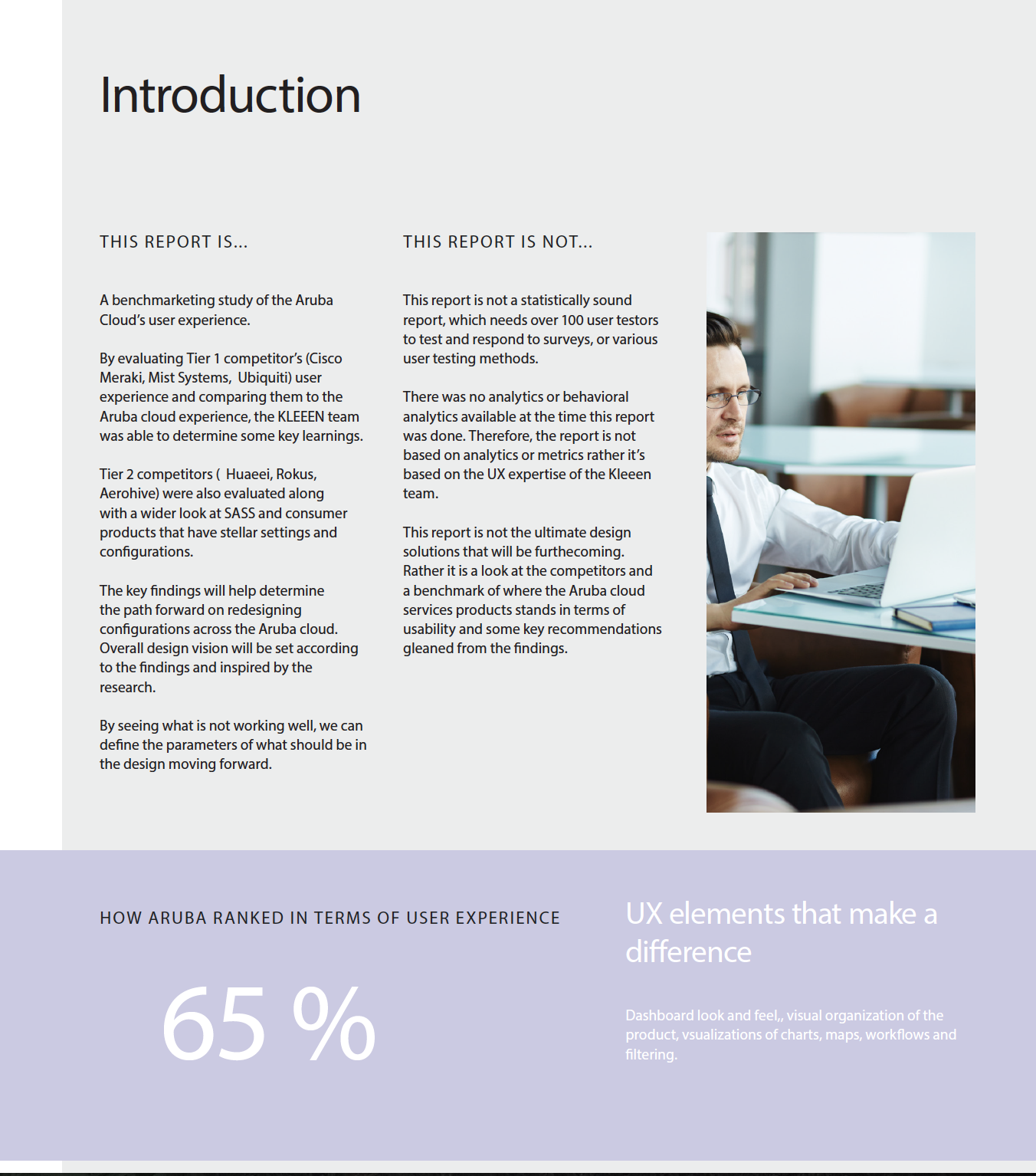
Why are the interfaces network engineers use to configure switches and devices so hard to use? Audit first, opine second.
Bring all interfaces under one login, one visual system, one set of patterns — so an engineer doesn't context-switch every time they open a new tool.
Dashboards with thousands of configurable items needed a hierarchy. We rebuilt the configuration patterns so the common case took two clicks, not twenty.
A brand-new ML-driven firewall product needed an interface that gave engineers calm authority over their network — not alarm fatigue.
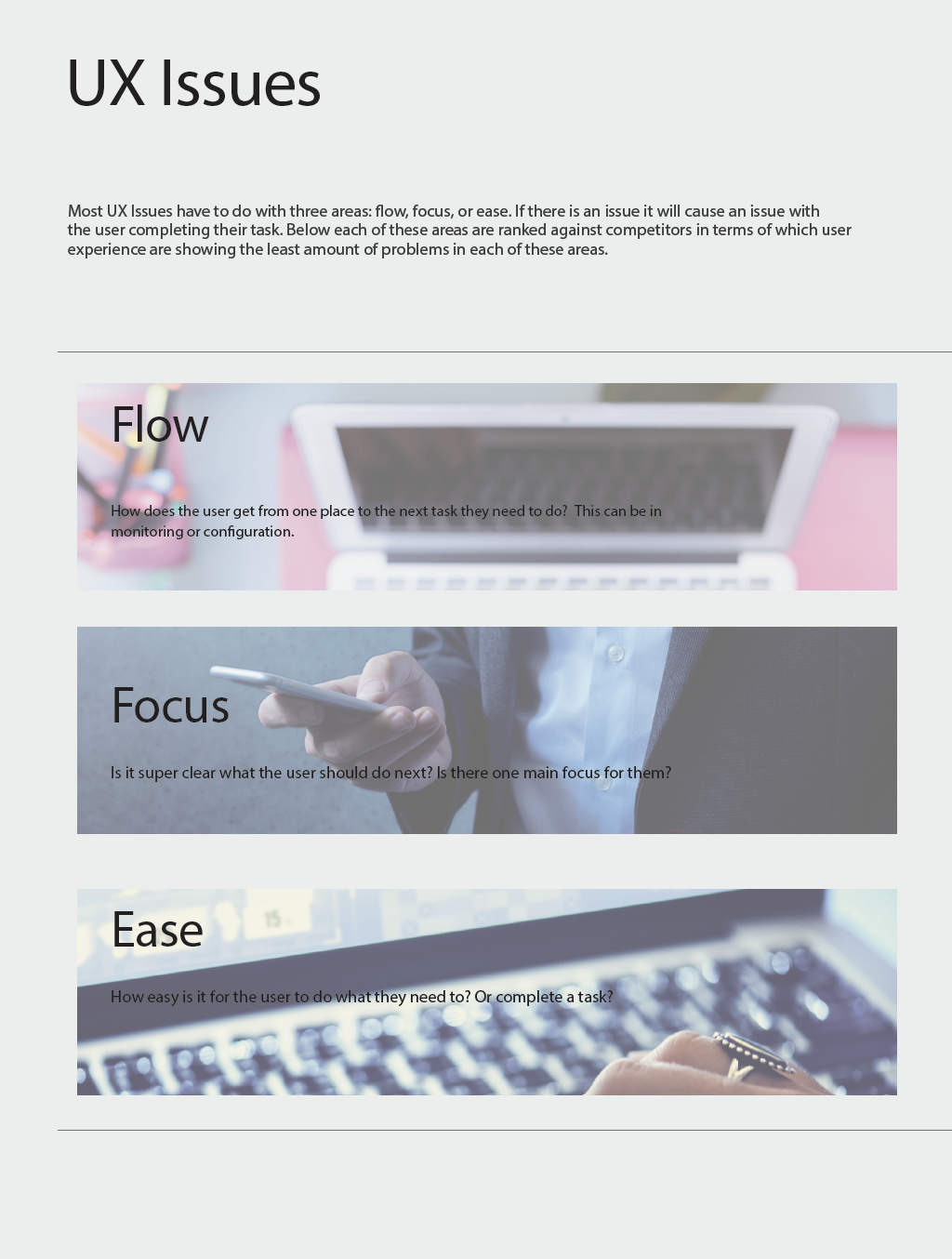
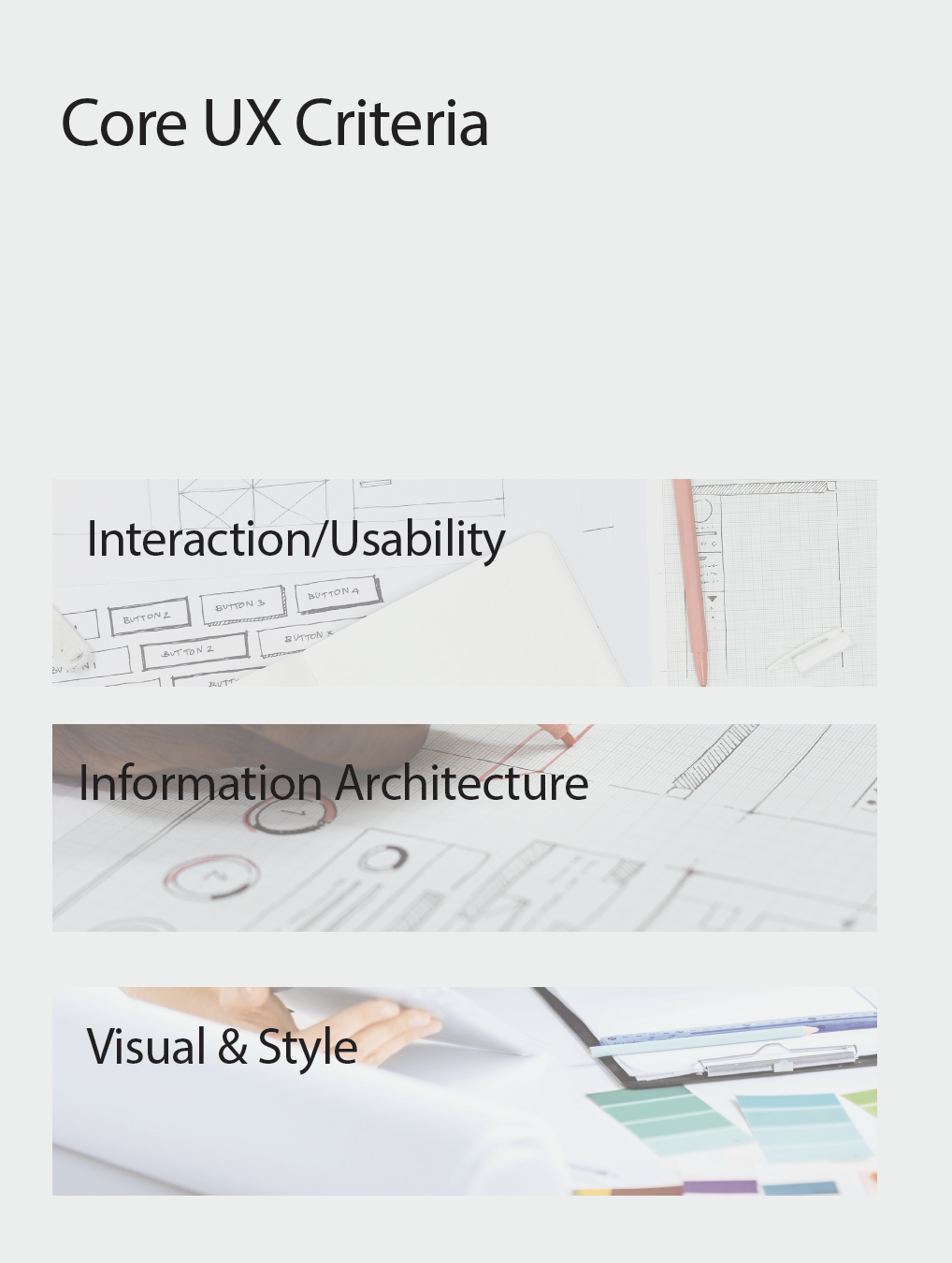
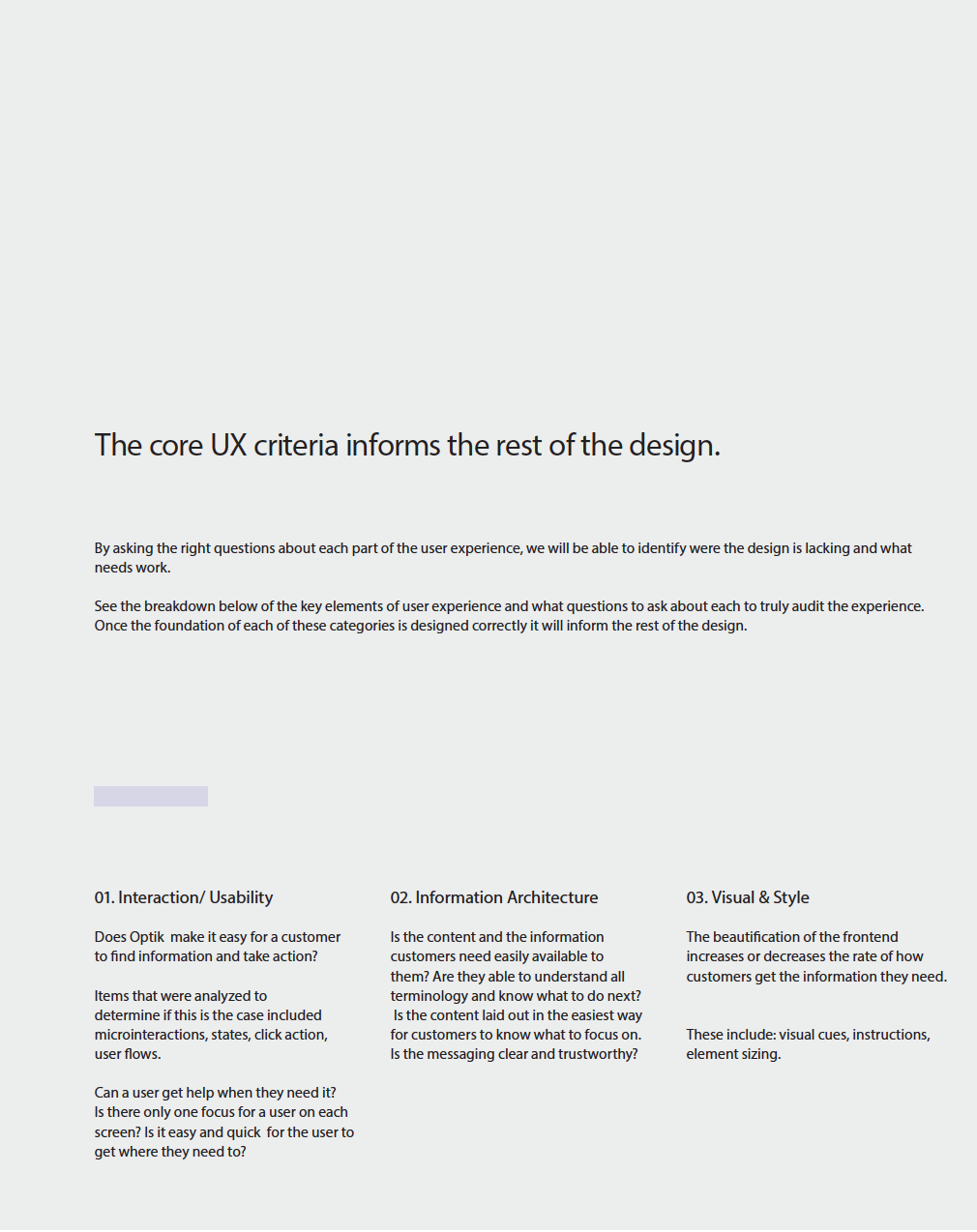
We audited every interface that touched an Aruba device — per product and across the line. Each finding came with an impact rating and an implementation phase, so the engineering team could plan against it.
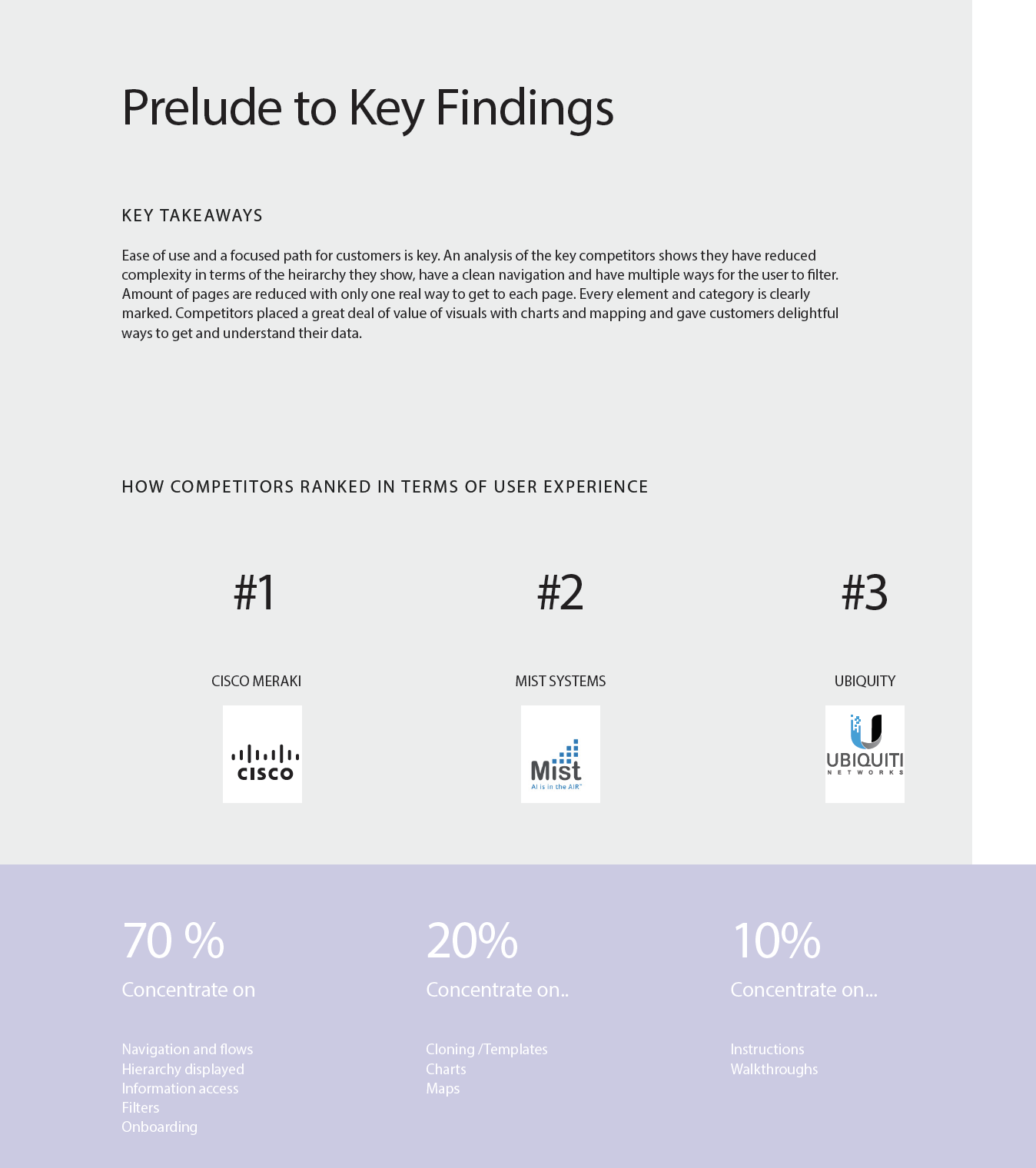
Specific high-pain areas — filters, configurations, role assignment, card layouts — got deeper benchmarking against competitors before any redesign work started.
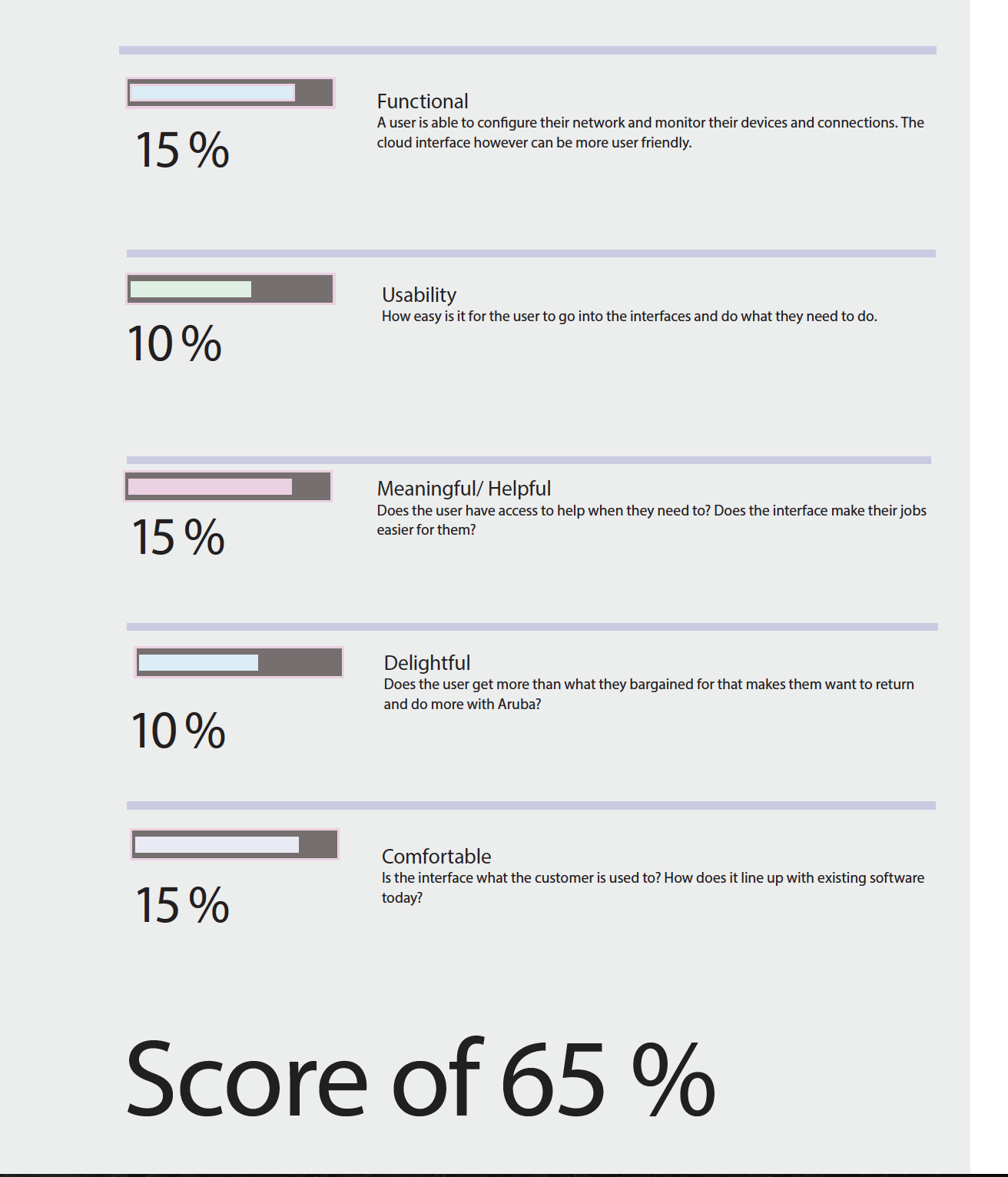
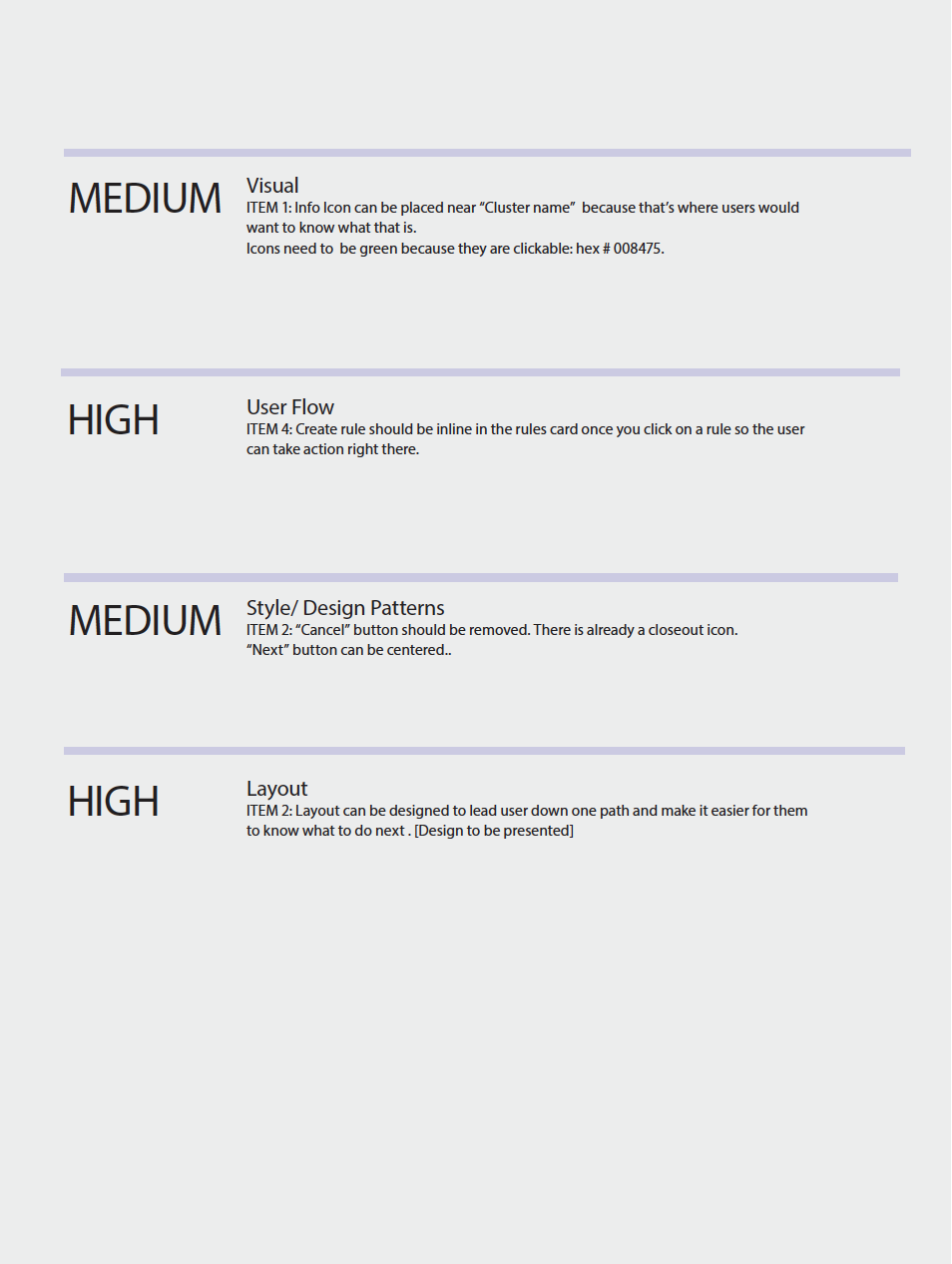
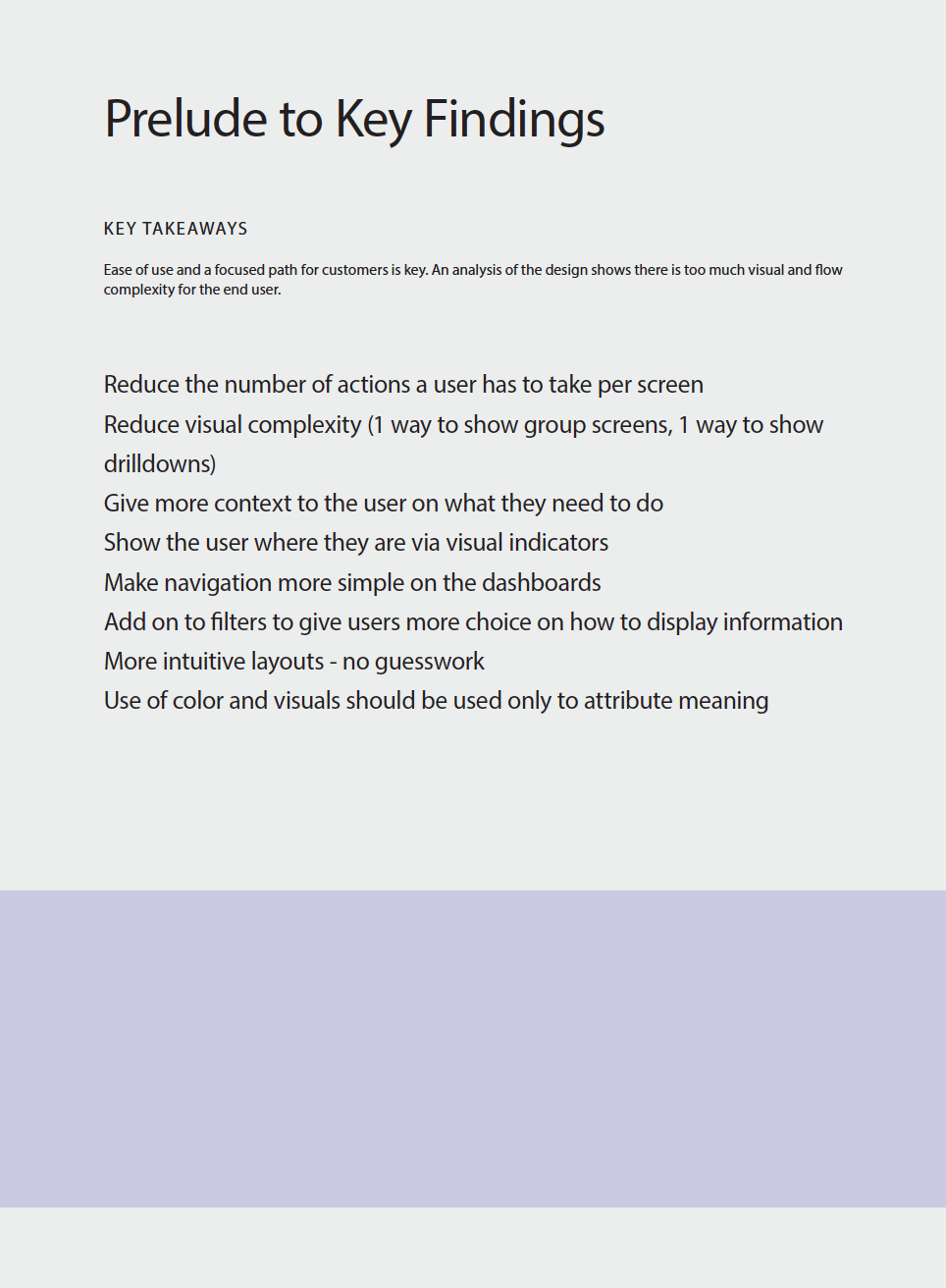
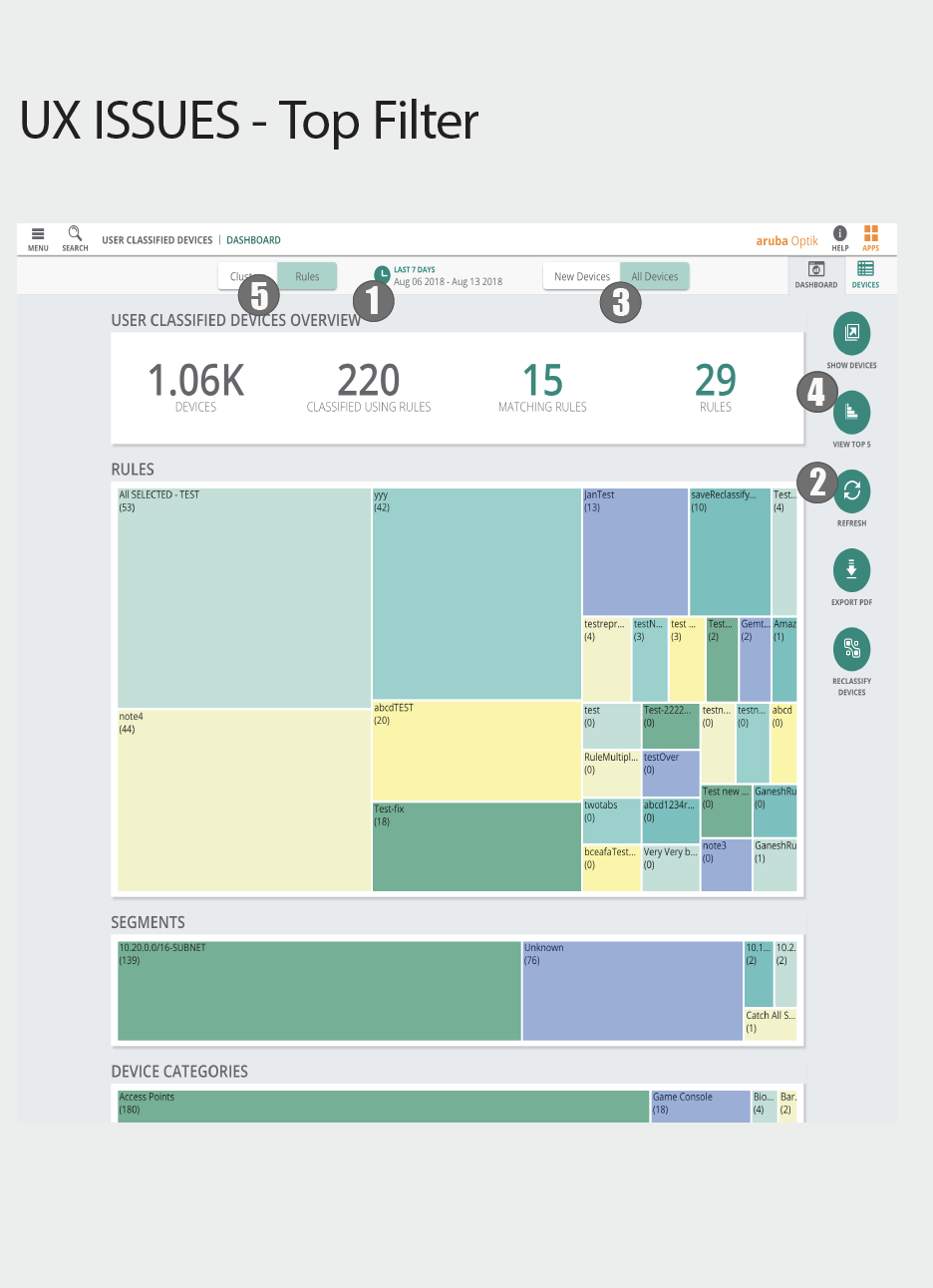
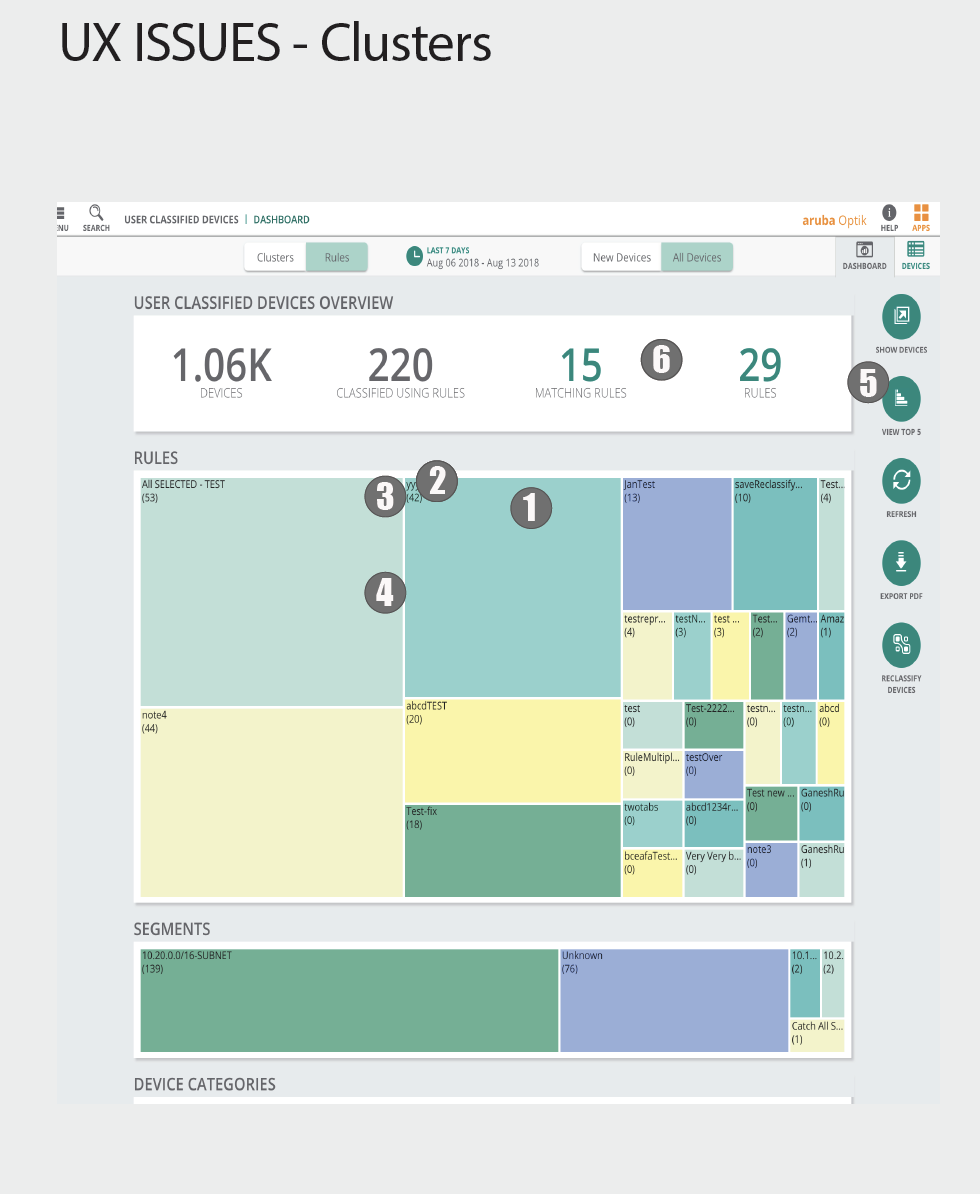
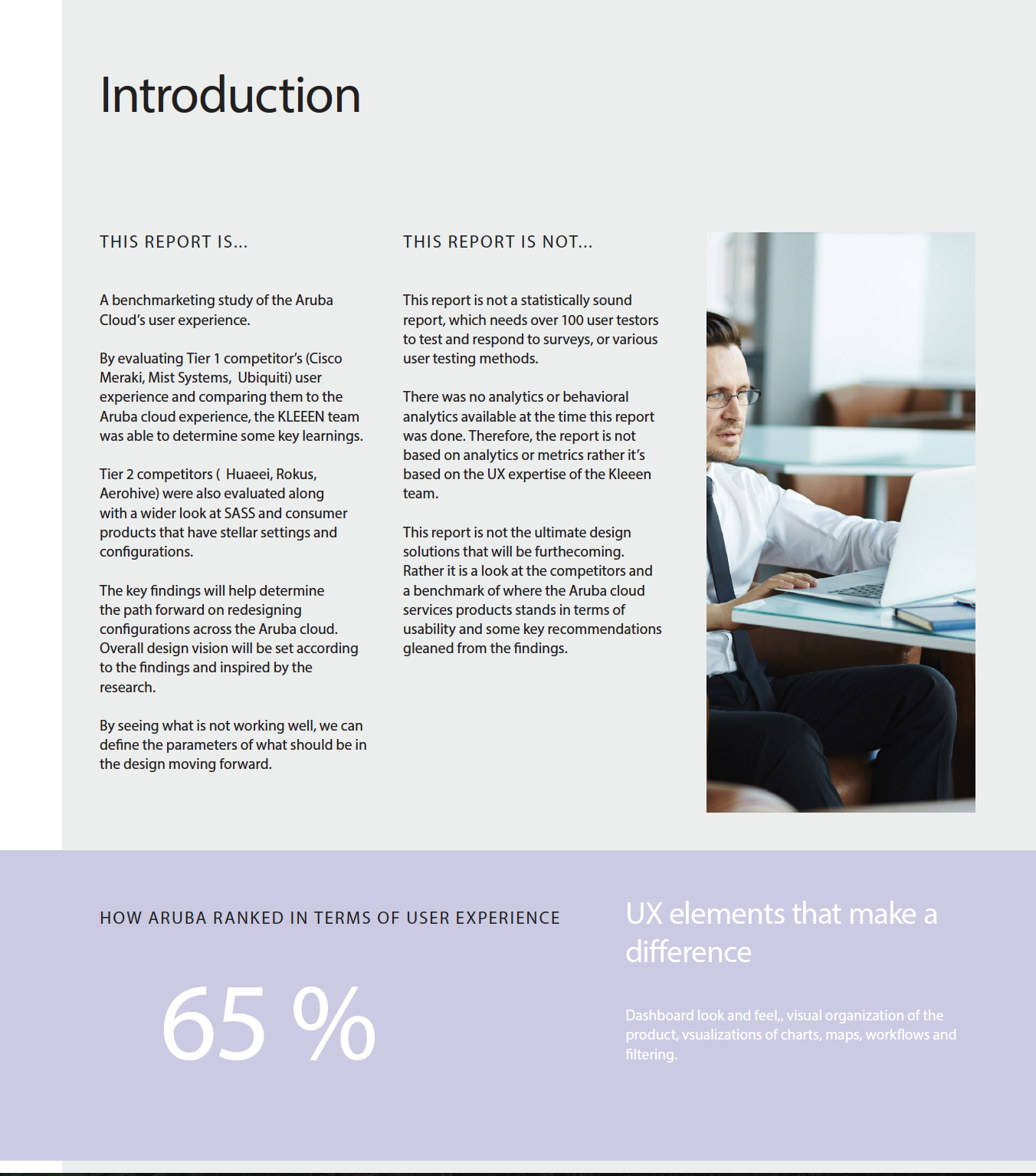
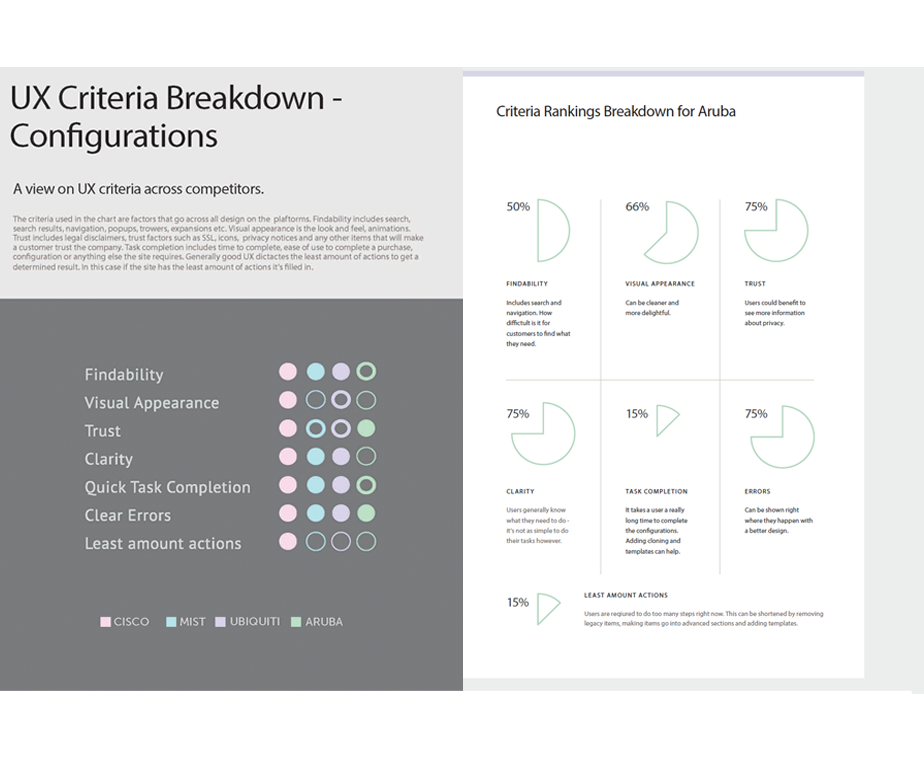
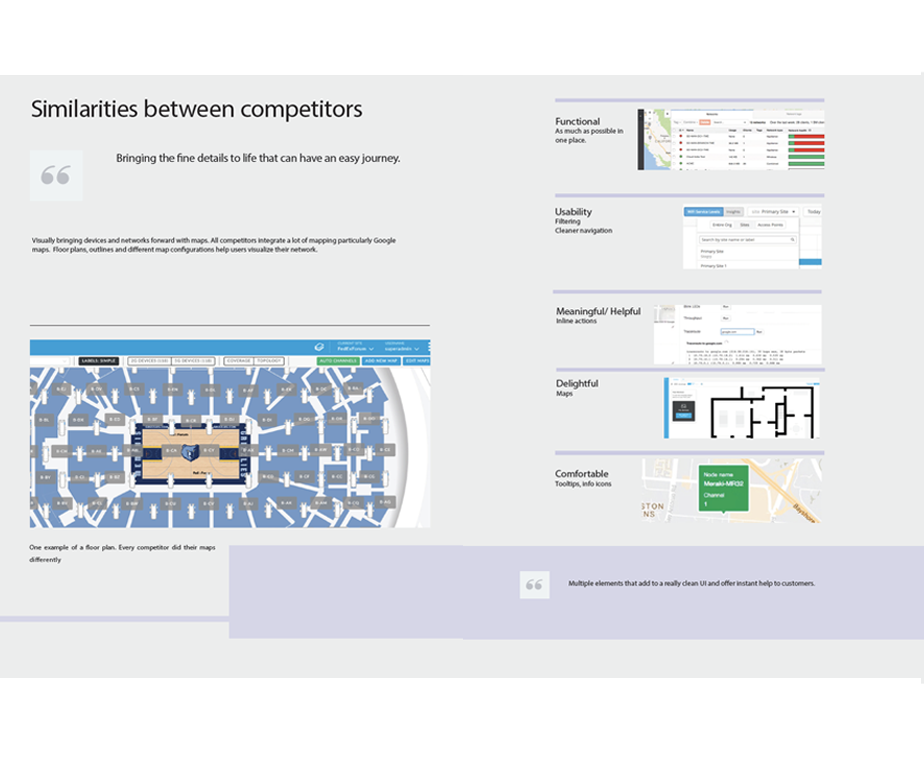
The benchmarking report explored specific design issues that came out highest in the audit — filters, configurations, card design, role assignment.
Each was cross-referenced against competitor products so the team had a clear, defensible reason to redesign — and a measurable bar to clear.
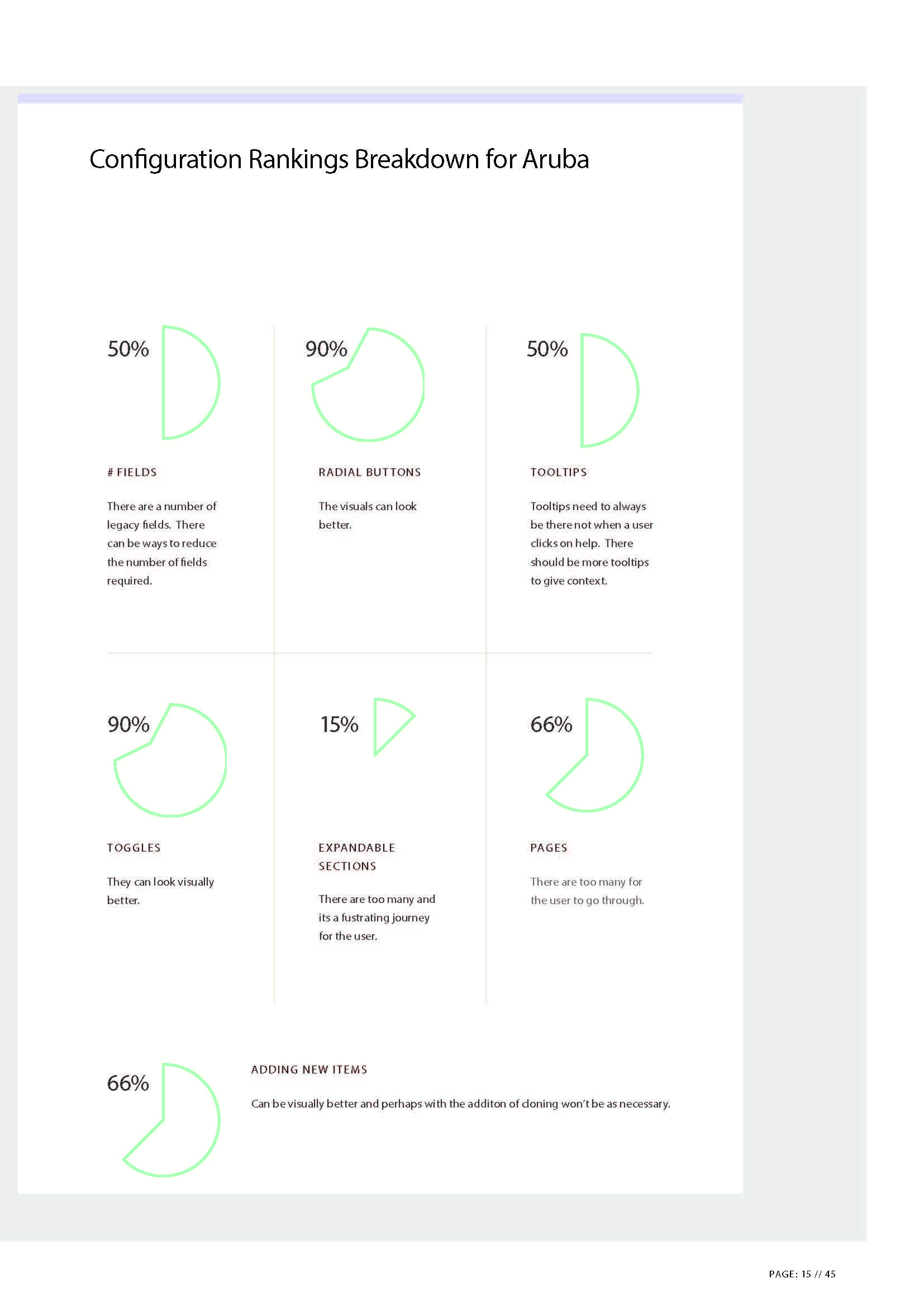
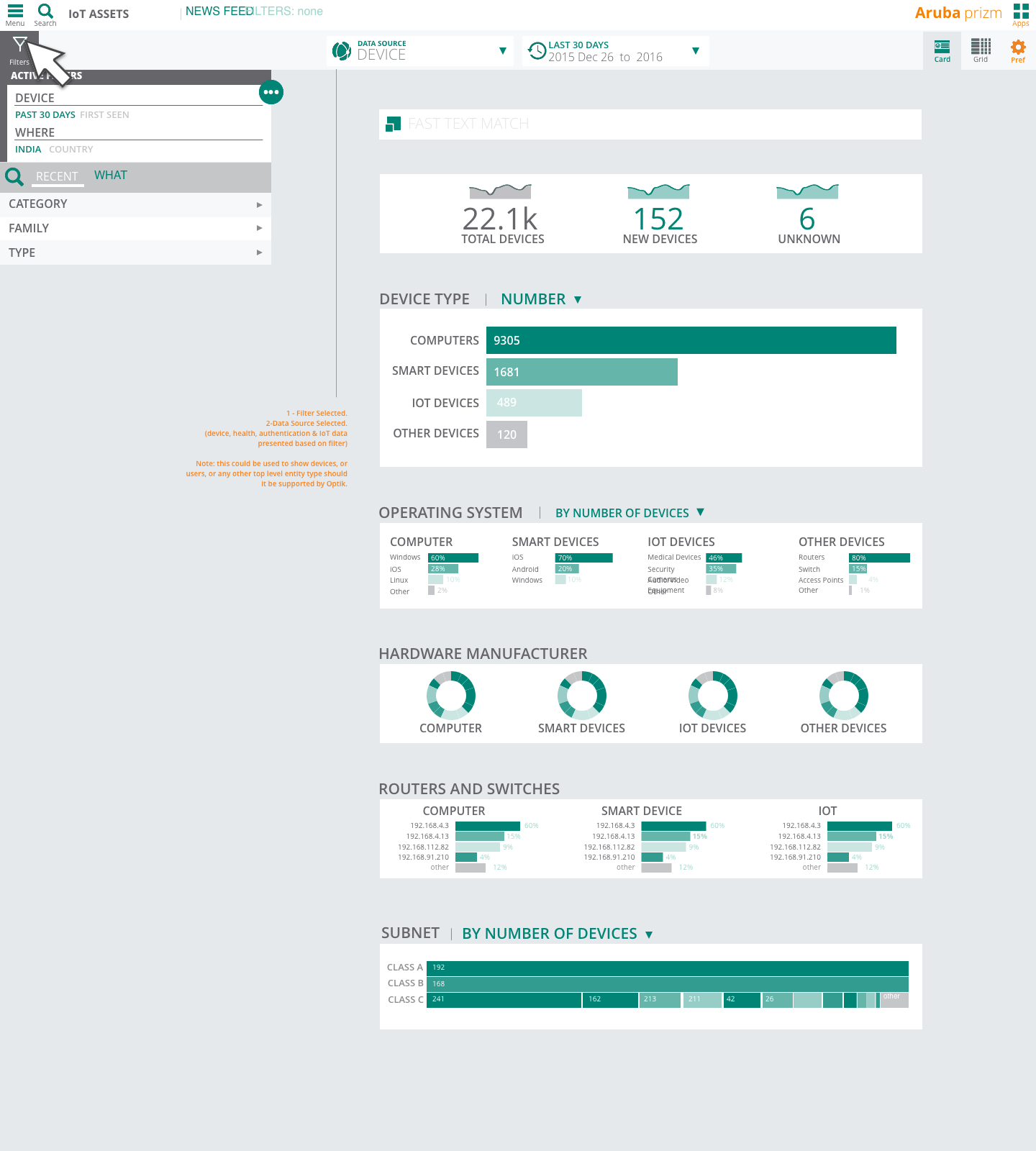
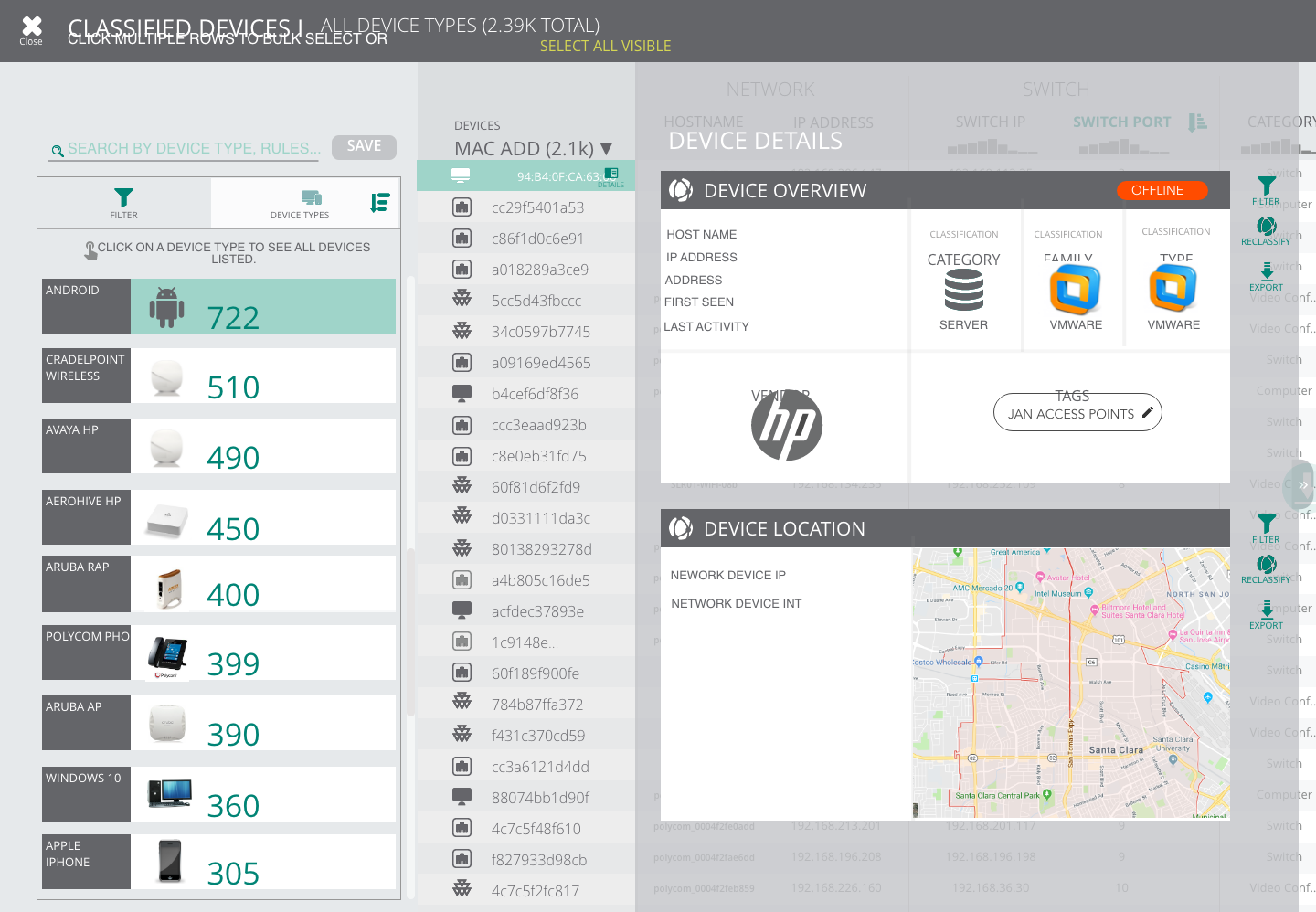
The system covers filters, configurations, cards and card expansions, popups, dashboards, device details, audit trails, and role assignment — across Prizm, Optik, and the cybersecurity product.
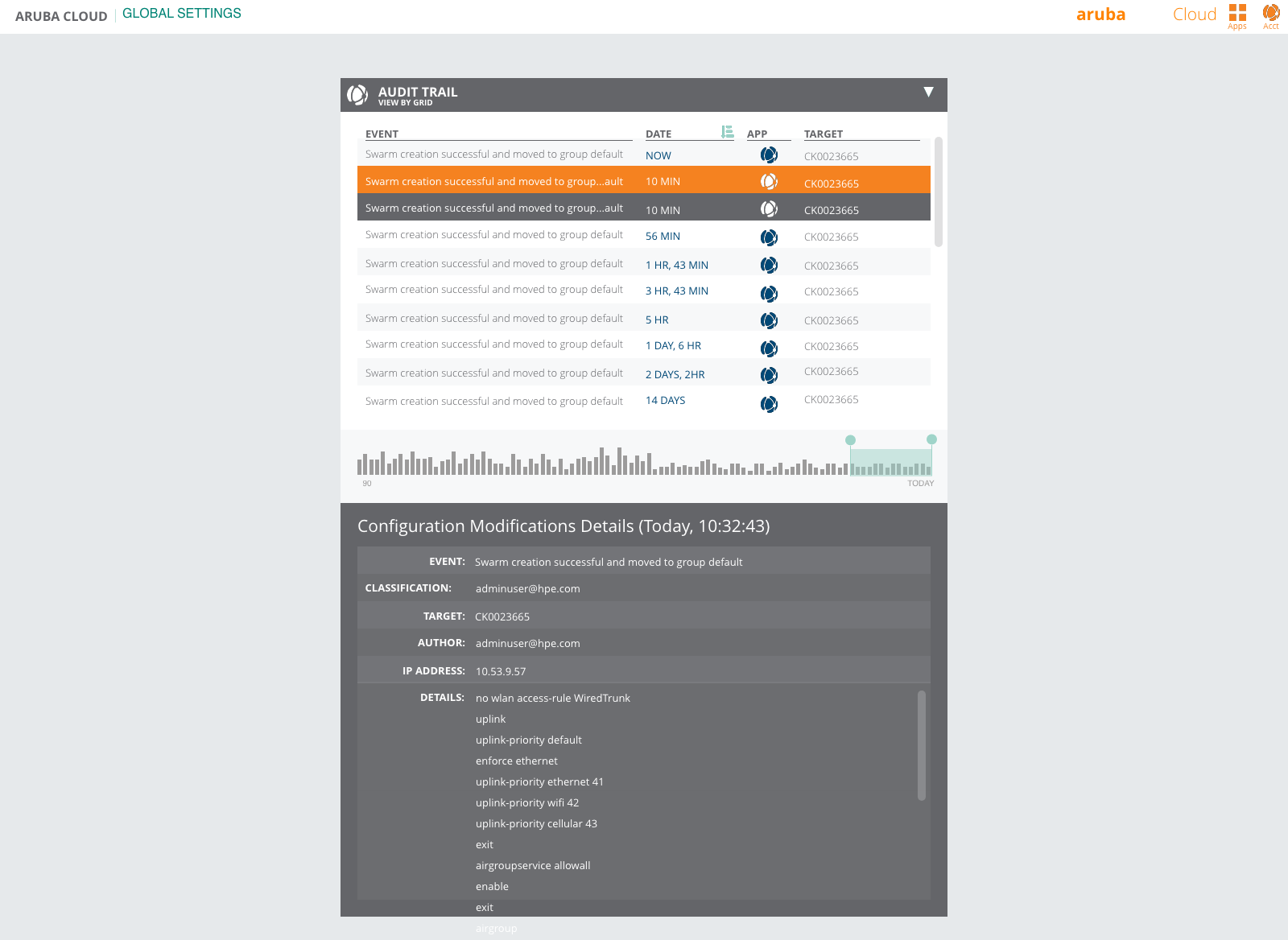
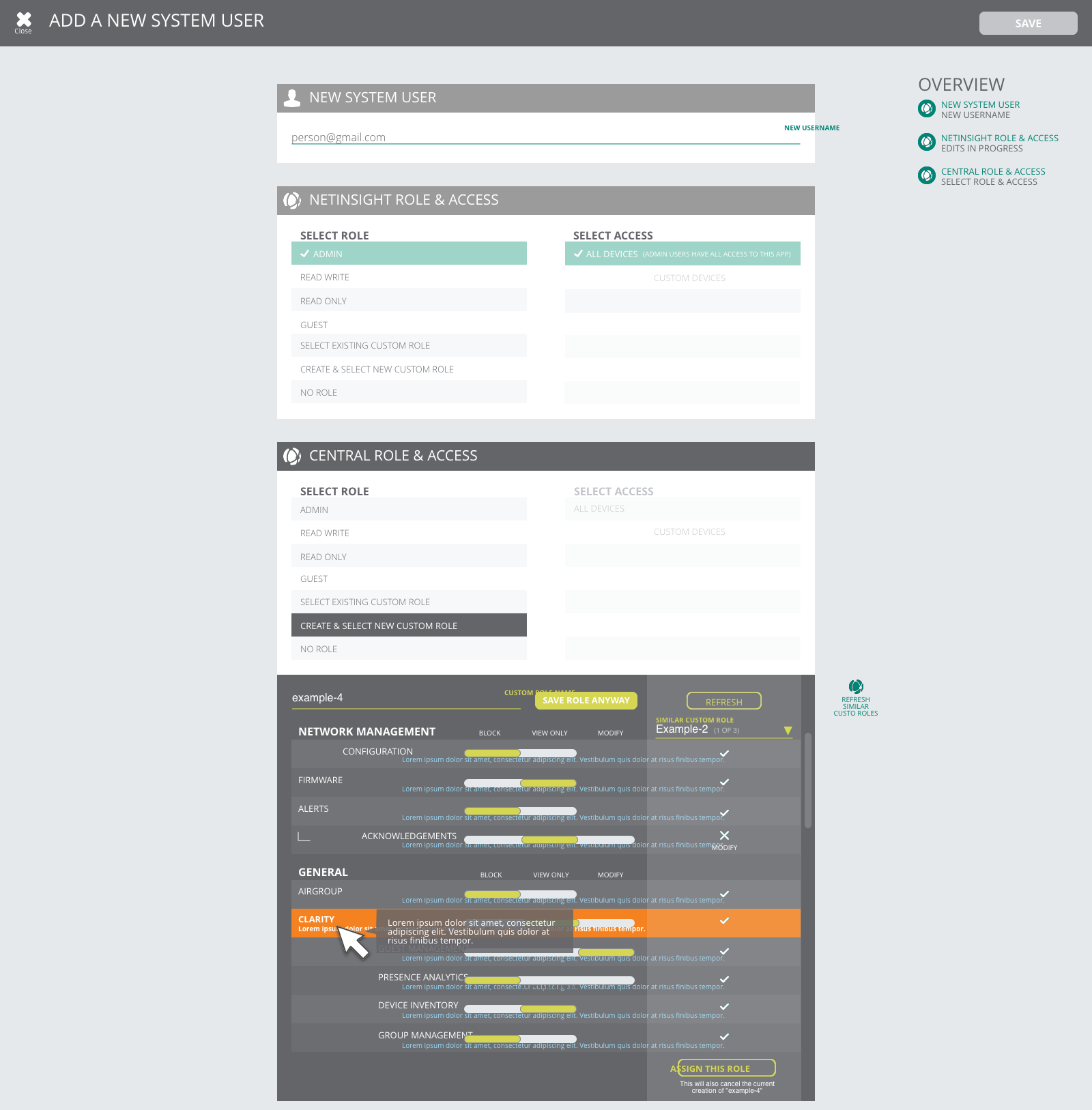
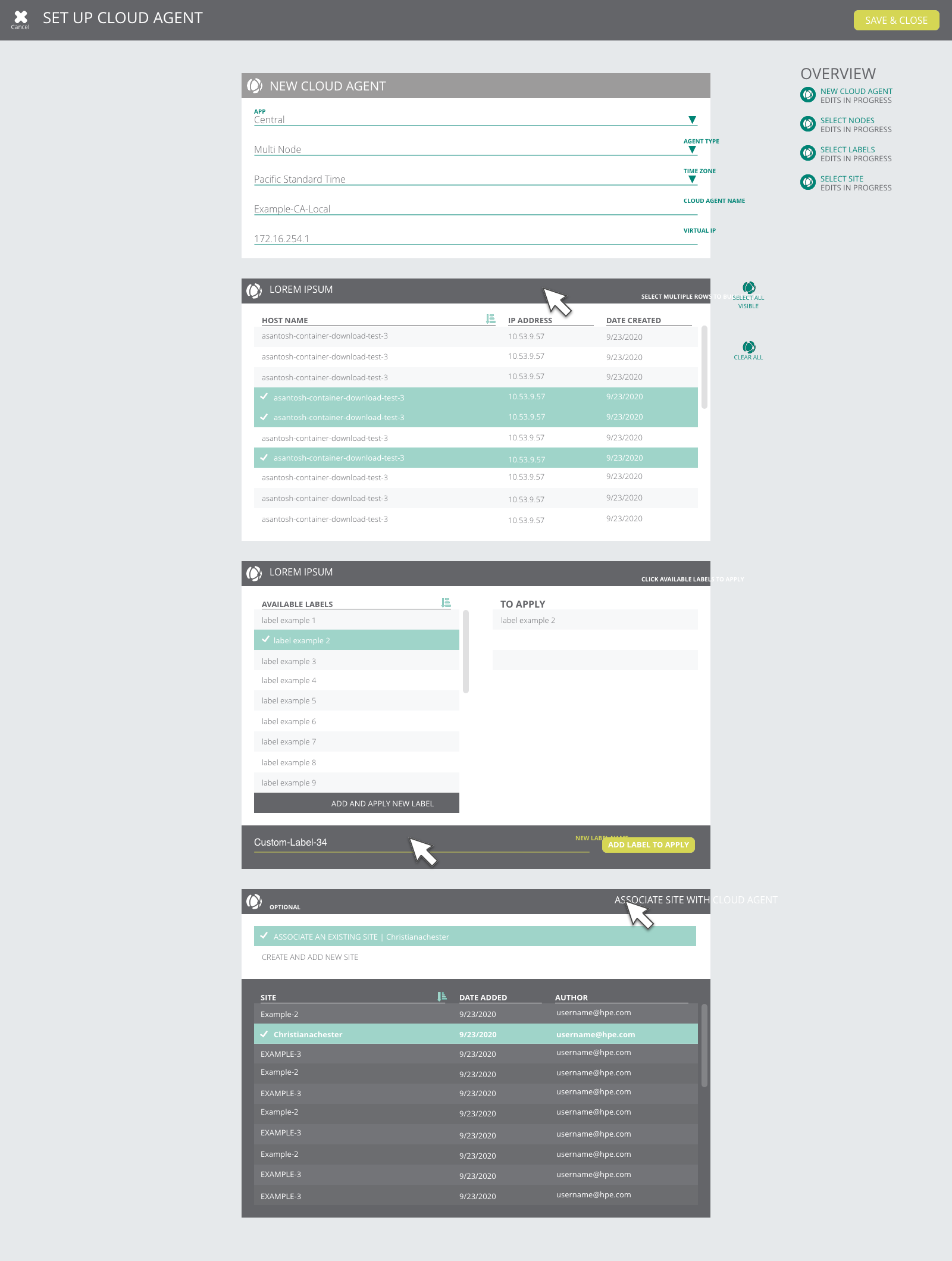
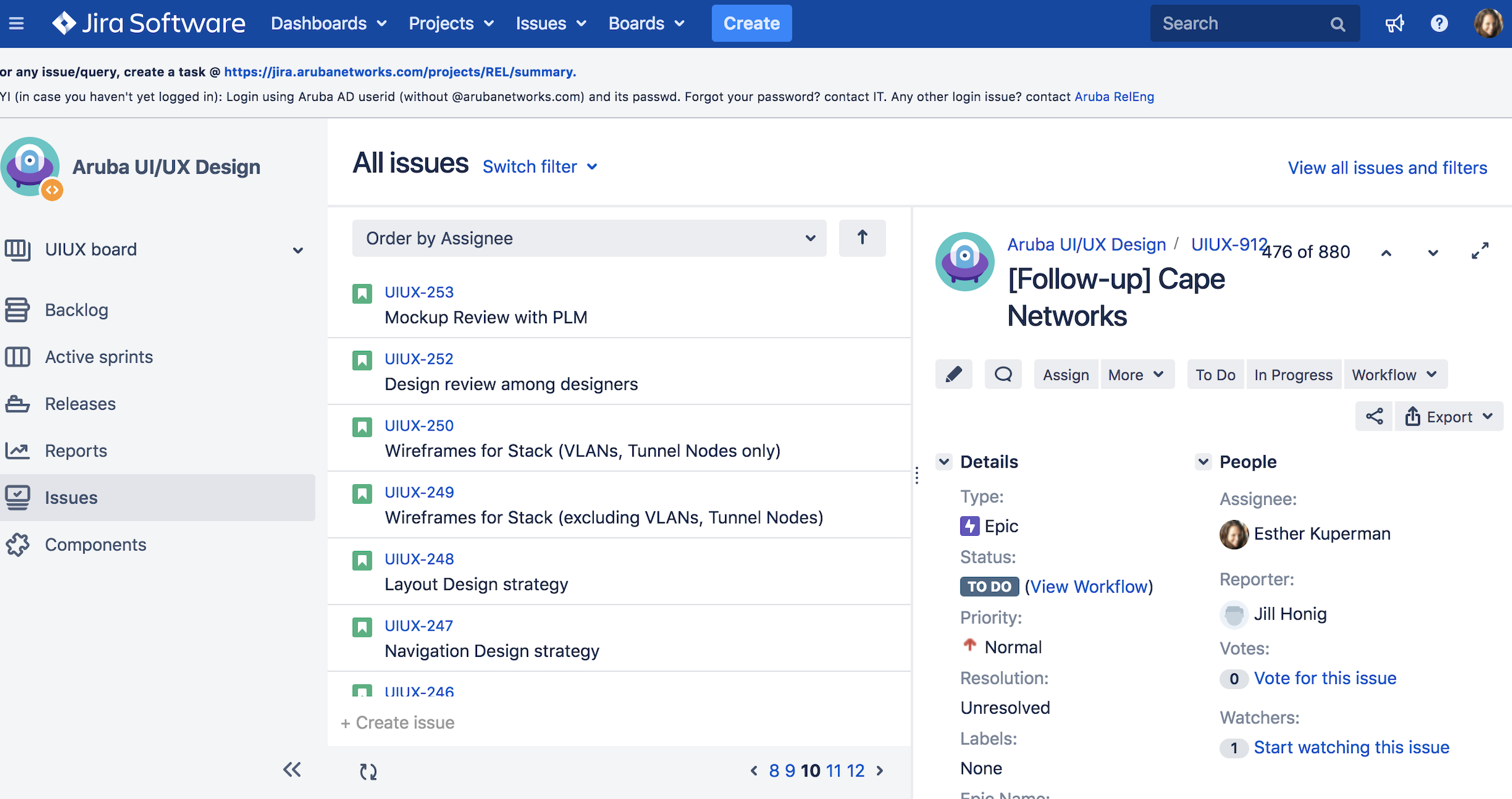
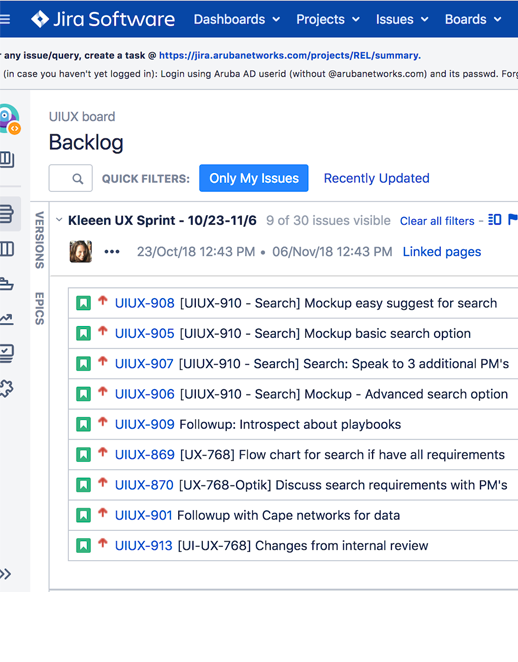
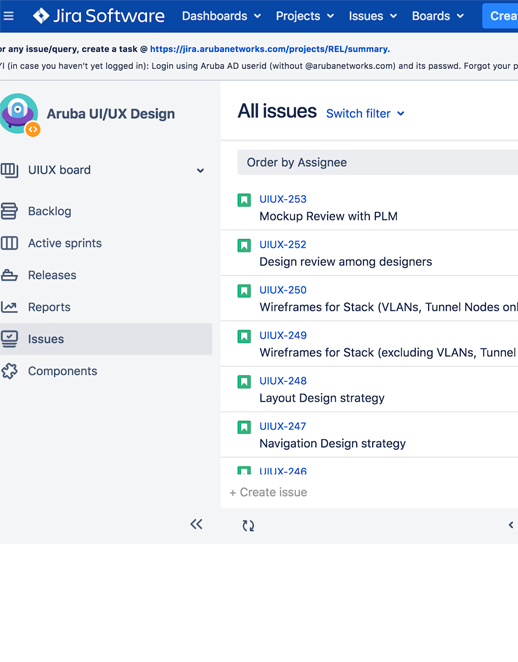
The system was as much an organizational artifact as a visual one. We built a sprint workflow for the design team, a requirements process for working with PMs and executives, and a tight collaboration loop with engineering for handoff.
"It's the first time the whole product line has felt like one company made it."— Senior PM, Aruba product organization
Most of the work that mattered wasn't visual. It was figuring out who needed to be in the room when a pattern was named, and making sure they stayed in it.
If I were starting again, I'd build the audit-to-roadmap pipeline before touching a single pixel. The Sketch files looked good either way — the org change is what made them stick.